
Resources

Explore our comprehensive IT resource library to discover a wealth of helpful information tailored to your needs. Utilize our filters to refine your search by role at FDU, department, or specific service for a more personalized experience.

Support
Resources Header

DUO TLS Support

Resources for:
icon Close

Warning Warning
After June 30, 2023, Transport Layer Security (TLS) 1.0 and 1.1 connection requests to Duo will not receive a response, resulting in blocked multi-factor authentication.

Who will be affected?

This may affect FDU community users using Windows 7, Windows 8.1, Android Devices with Android OS version 9 or lower, and Apple devices with iOS versions that don’t support TLS 1.2.

Check if you are using the supported endpoints by reading the information below:

Windows

Supported Windows operating system (OS) versions will support TLS 1.2 by default. If you are running a supported Windows OS, no action is required.

Unsupported Versions for Windows Operating Systems

Note

If your operating system was manually changed to disable TLS 1.2 for some reason, connection requests will fail. Verify your system is properly configured for TLS 1.2 with the suggested steps below.

Verifying TLS 1.2 on your Operating System

Check OS Version

  • Open the Windows Search box and type “About your PC” and click on “Open
  • Under Windows Specifications, check which edition and version of Windows your device is running

Enabling TLS 1.2 on your Operating System

If your operating system was manually changed to disable TLS 1.2 for some reason, you can verify or configure your system for TLS 1.2.

Before making any changes, create a backup of the registry:

  1. In the Windows Registry Editor, locate and click the “Protocols registry key” or “subkey
    that needs to be backed up
  2. Click “File”, then “Export”
  3. In the Export Registry File dialog box, select the filename and location of where to save the backup
  4. Click “Save”

After creating a backup of the registry, follow the steps below to enable TLS 1.2 on your system:

  1. Click the Start menu, type “regedit” and press the Enter key. The Registry Editor window should be opened.
  2. Navigate to follow the registry path: HKEY_LOCAL_MACHINE\SYSTEM\CurrentControlSet\Control\SecurityProviders\SCHANNEL\Protocols
  3. Check if the subkey of TLS v1.2 is enabled for both the server and the client. Each protocol’s state is controlled by two keys: Enabled and DisabledByDefault
  4. Make sure the Enabled value is 1 and the DisabledByDefault value is 0 or missing, the protocol is enabled.
  5. If the Enabled value is 1 but the DisabledByDefault value is 1, the protocol is disabled by default – it will not be used unless another host explicitly requests it during negotiation.
  6. If the Enabled value is 0, the protocol is disabled
  7. Restart the system to ensure the new settings take effect
close

DUO Mobile

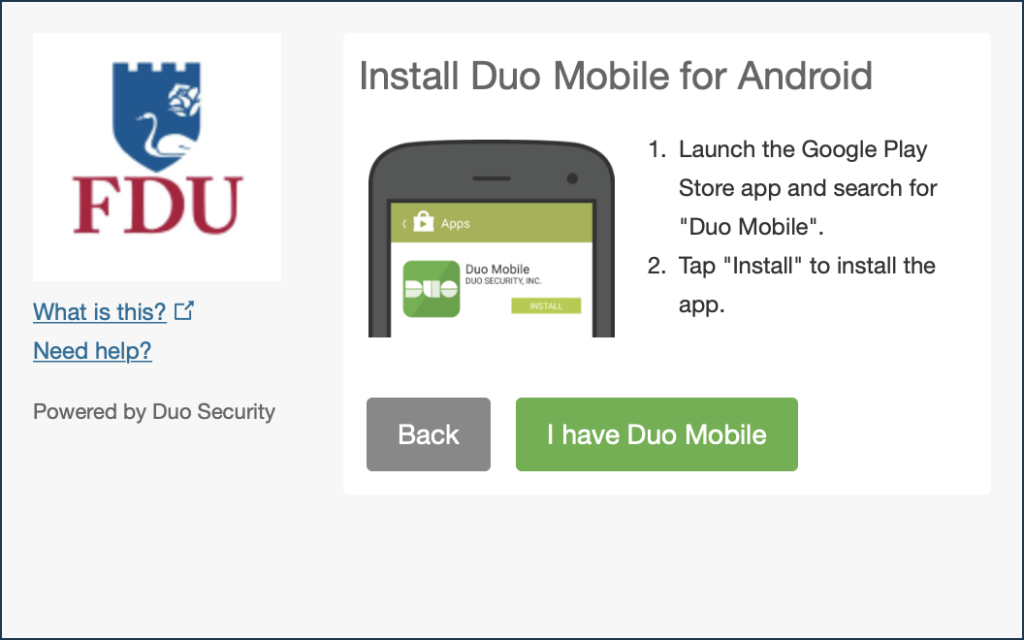
Supported Duo Mobile applications running on supported OS versions will support TLS 1.2+ by default. If you are running a supported Duo Mobile application on a supported OS, no action is required.

  • Supported Android OS versions: Android 10.0 and greater
  • Supported iOS versions: iOS 14.0 and greater

Note

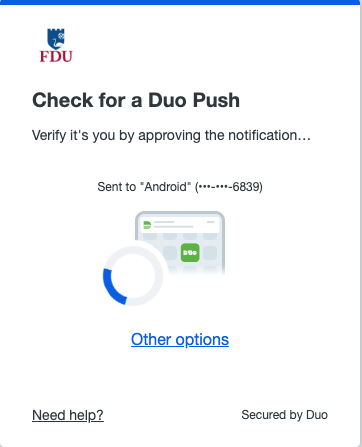
Using a mobile device with unsupported versions can still receive DUO push or generate one-time passcode as before, but it will prevent you from logging in to any systems that are accessed through our FDU Single Sign On Login Page.

Web Browsers

Common web browsers like Google Chrome, Microsoft Edge, Mozilla Firefox, Opera, etc. with their latest version are supporting TLS 1.2.

Note

If your browser was manually changed to disable TLS 1.2 for some reason, connection requests will fail. Please verify your browser is properly configured for TLS 1.2 with the suggested steps below.

Check TLS Support on a Web Browser

Chrome and Microsoft Edge

  1. In the Windows menu search box, type “Internet Options”
  2. In the Internet Properties window, on the Advanced tab, scroll down to the Security section
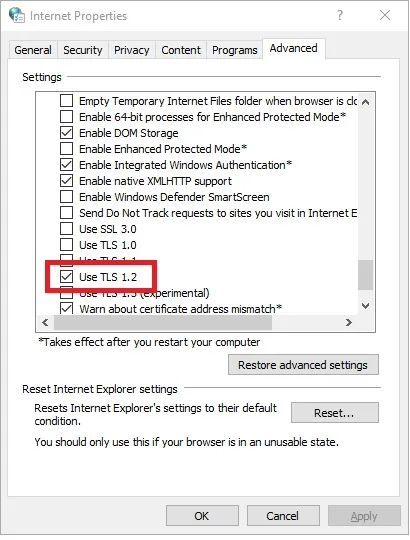
  3. Make sure the “User TLS 1.2” checkbox is checked
  1. Click “OK” and restart the browser

Mozilla Firefox

  1. Open the Mozilla Firefox Browser
  2. In the address bar, type “about:config” and press “Enter
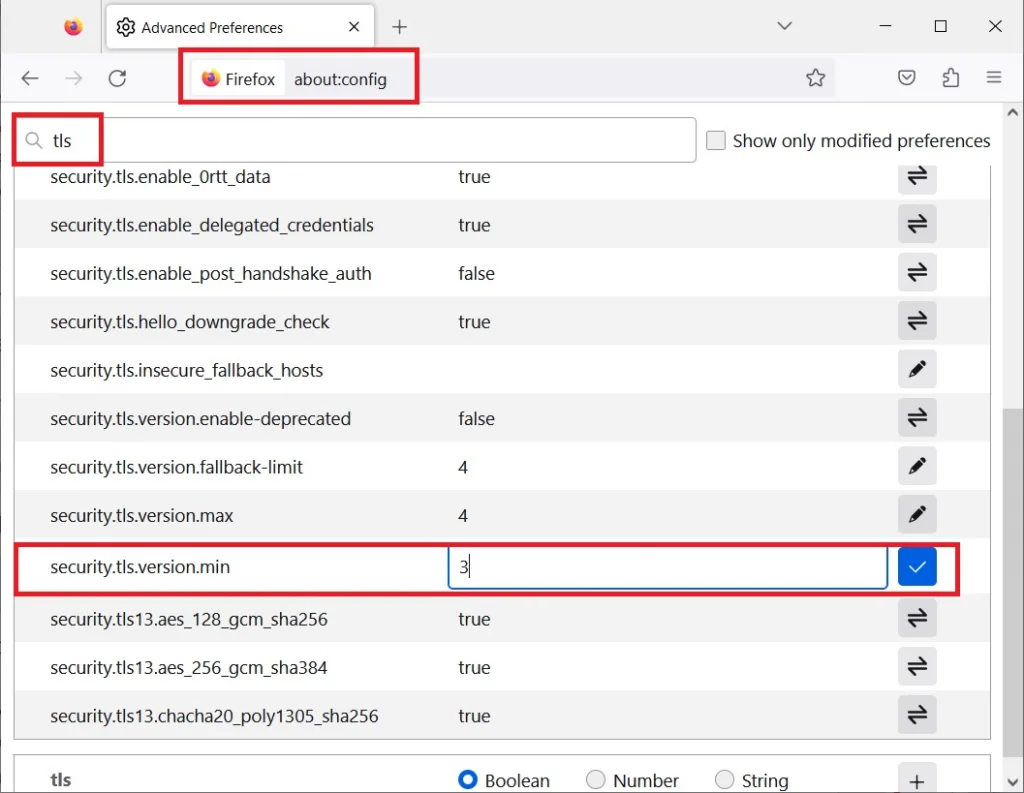
  3. In the Search Field type “tls”. Find and double-click the entry for “security.tls. version. min”
  4. Make sure the integer value is 3 to force a minimum protocol of TLS 1.2
  1. Click “OK” and restart the browser
close

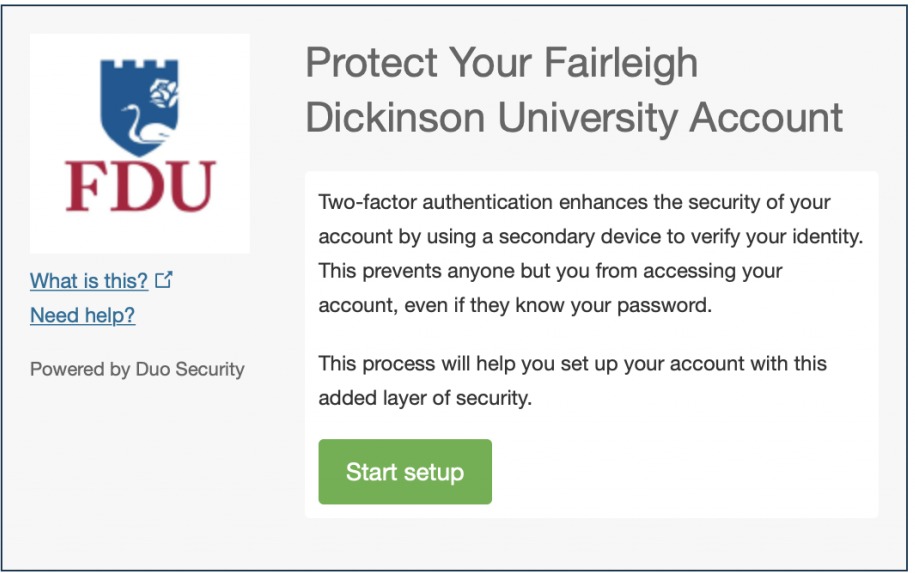
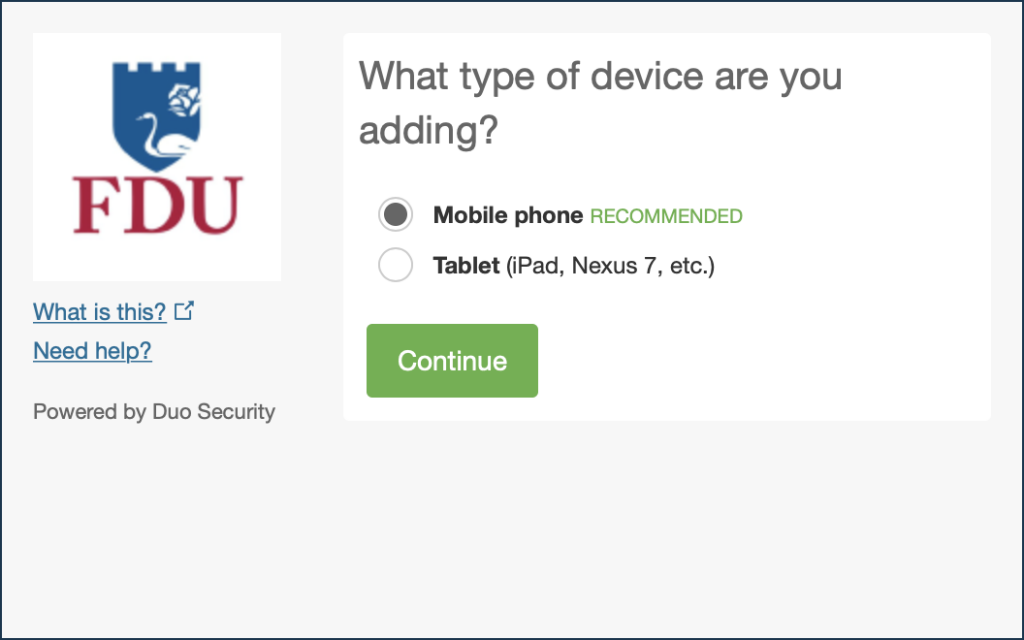
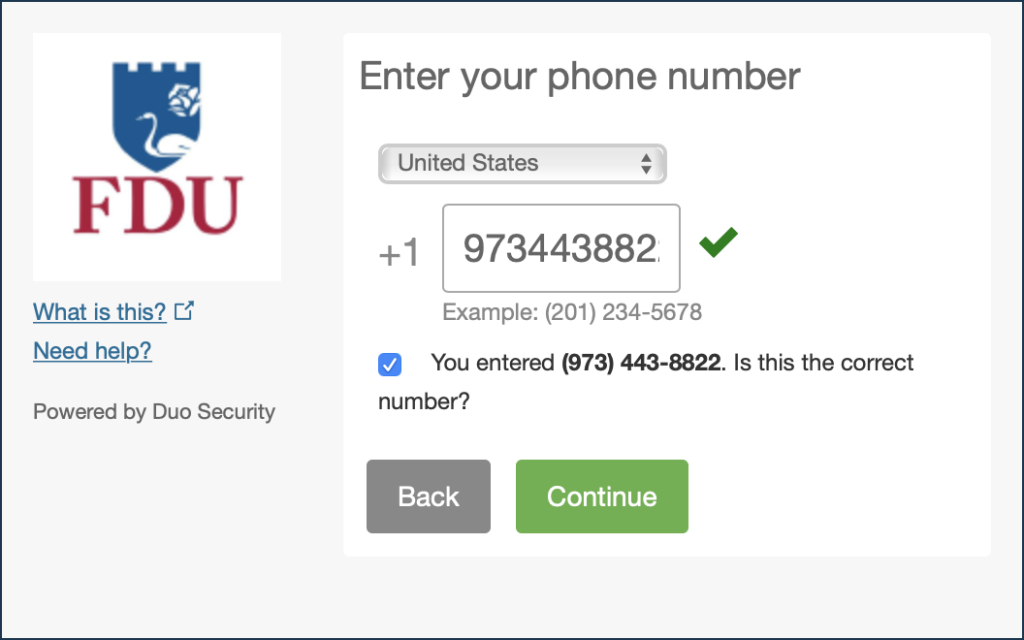
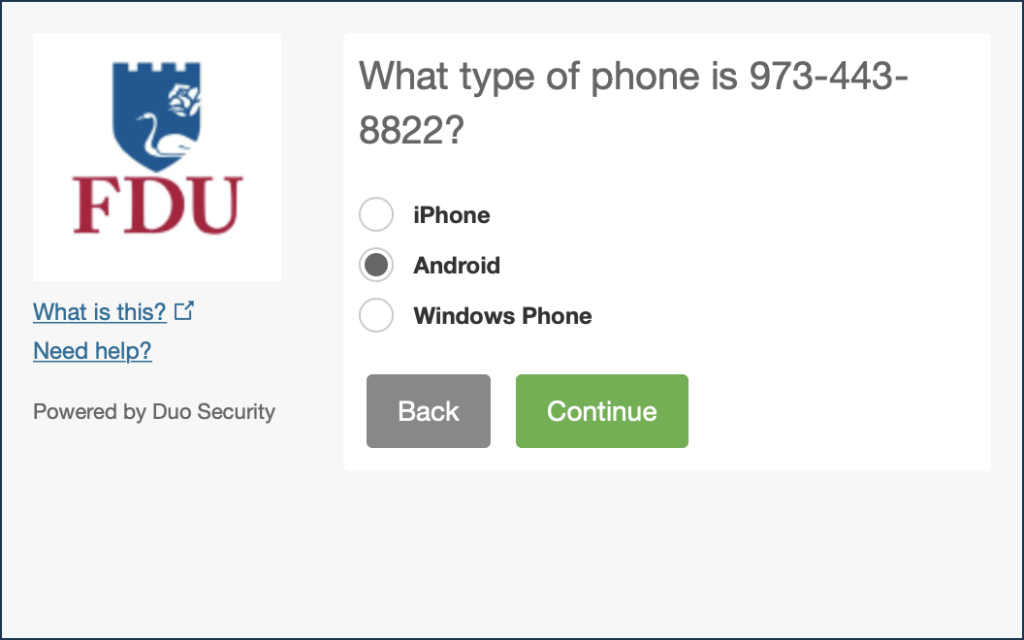
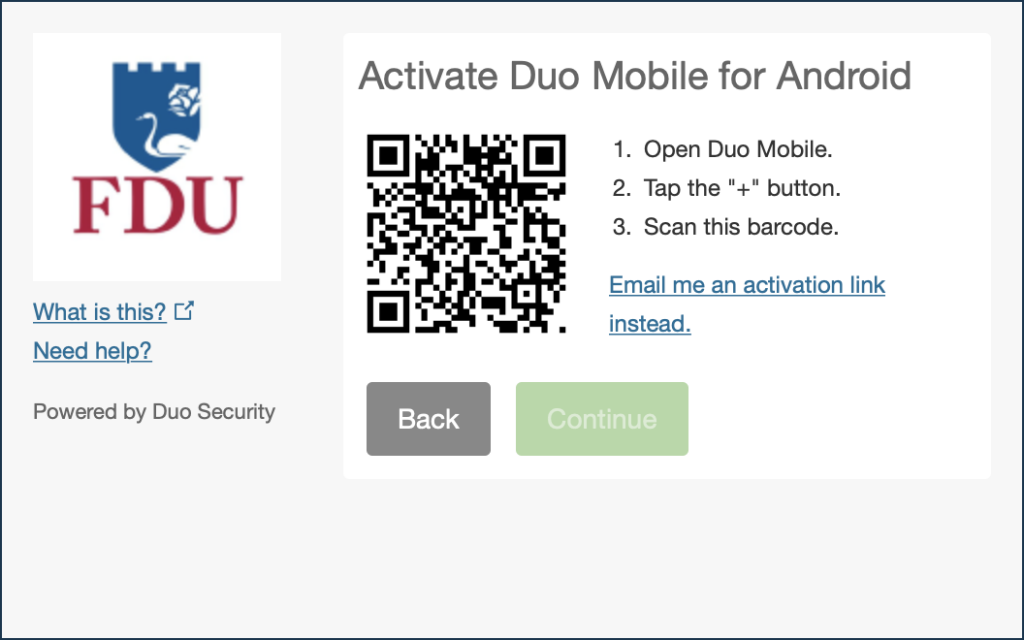
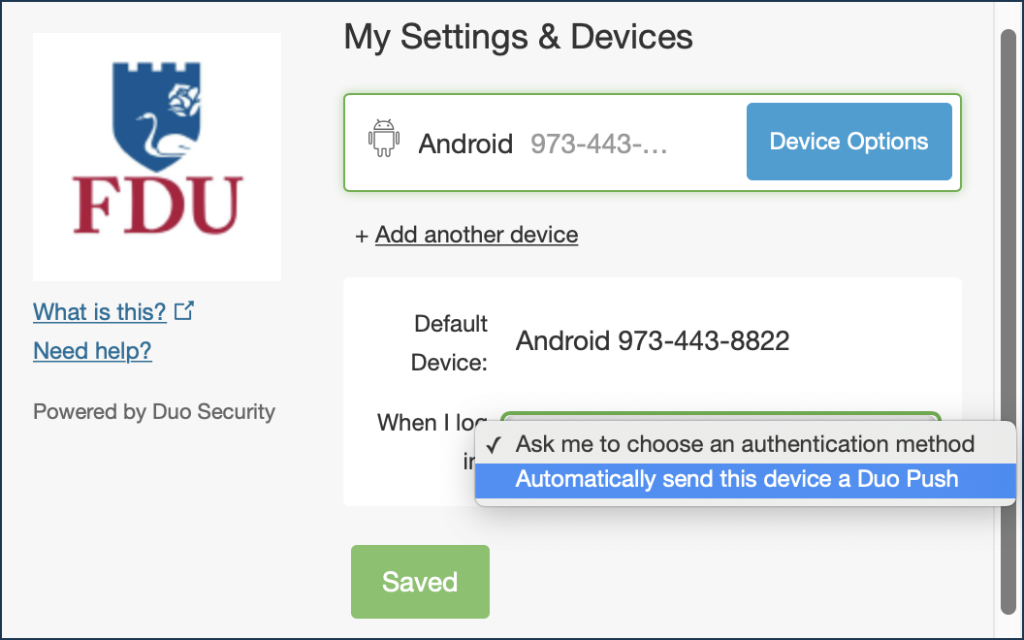
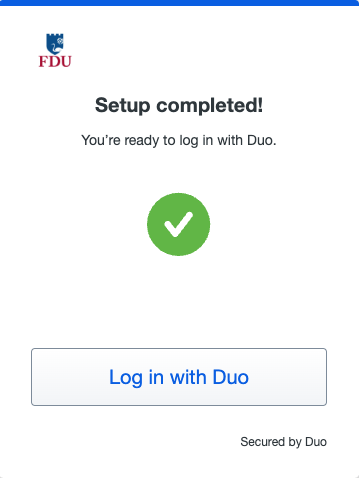
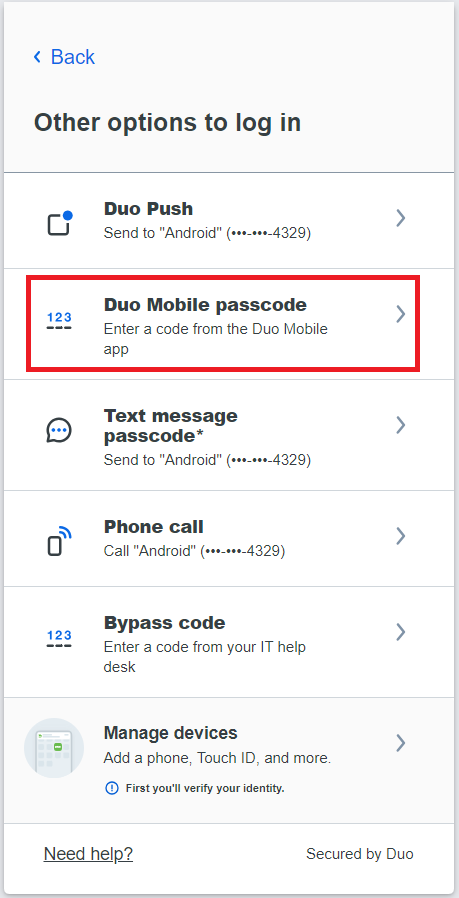
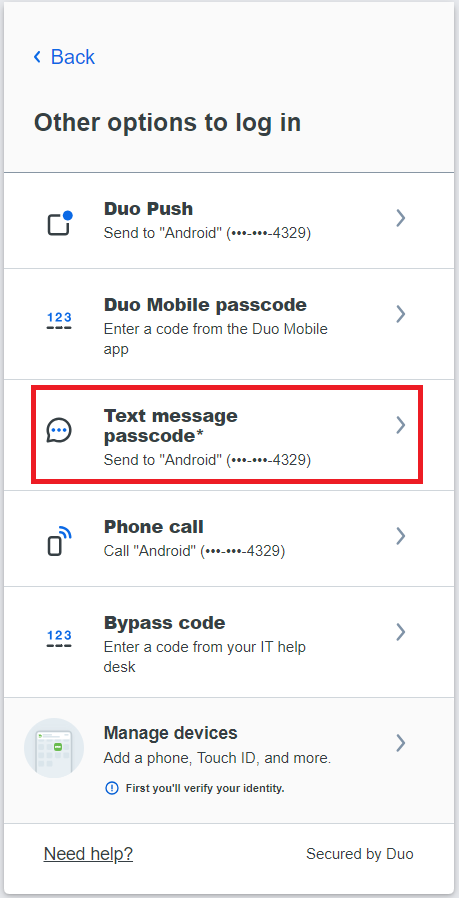
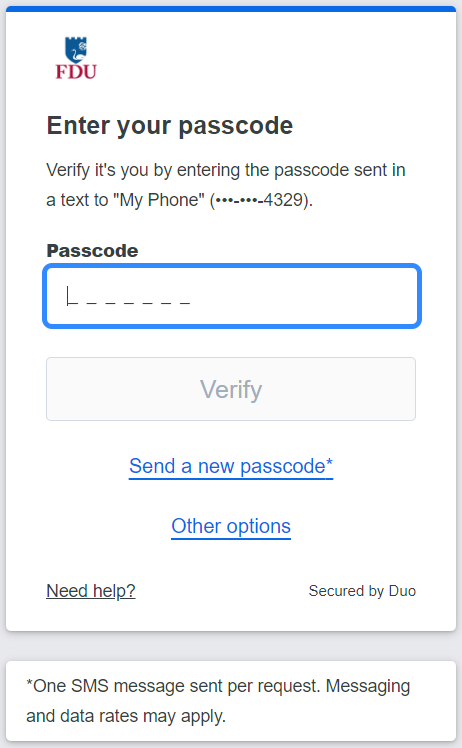
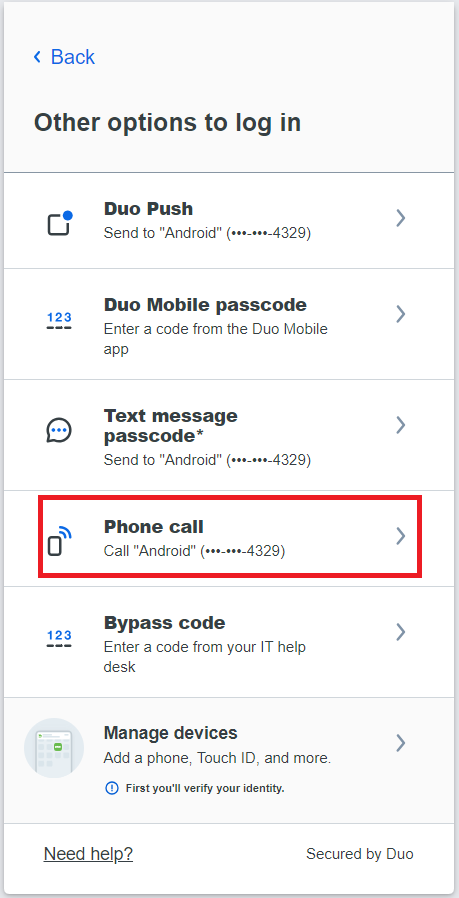
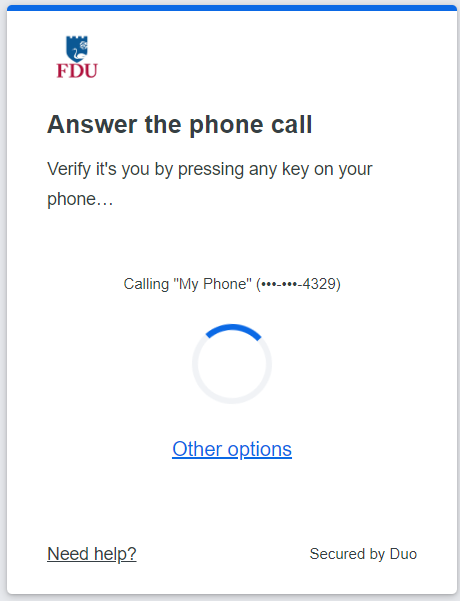
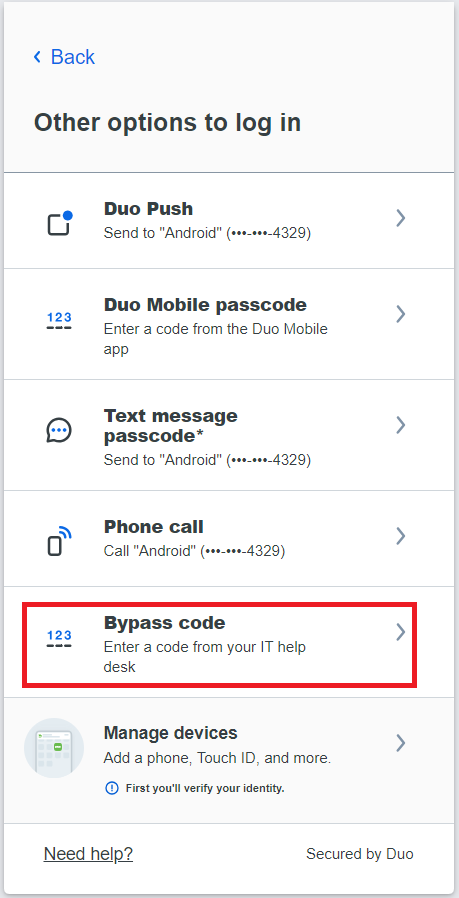
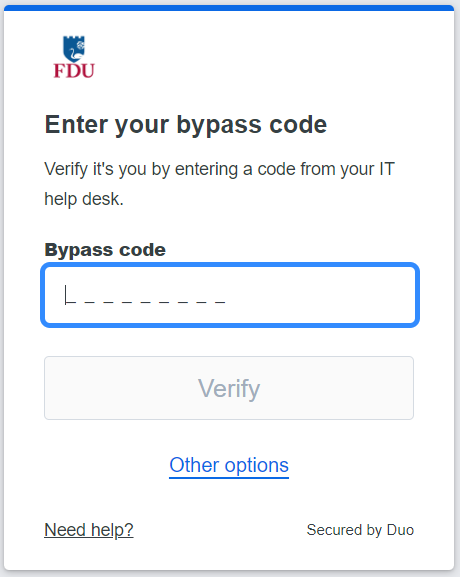
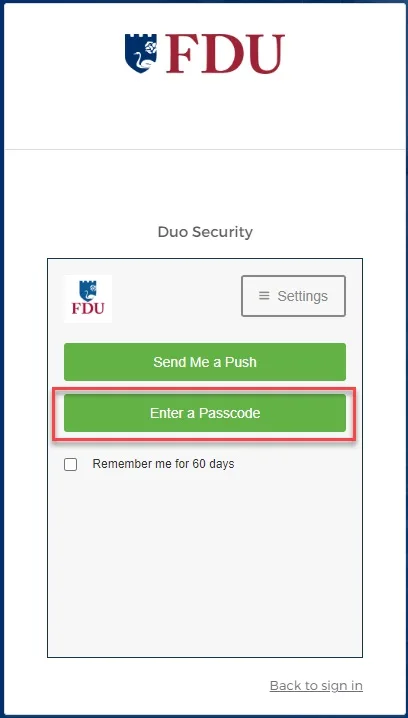
We understand that upgrading your device is not always an option. In these instances, you can still use Duo Passcodes to perform multi-factor authentication.

  1. To use this method, select “Enter a passcode” upon receiving your browser’s Duo security prompt
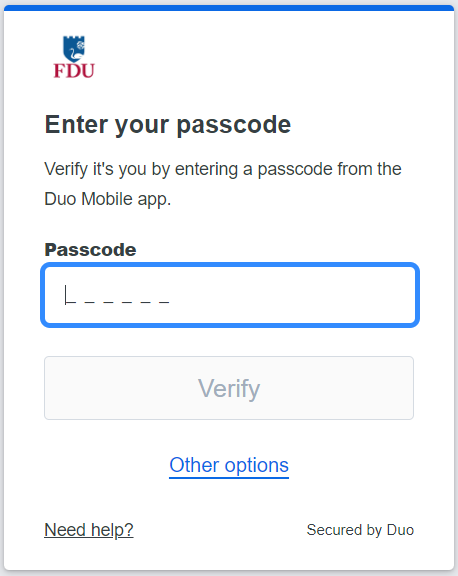
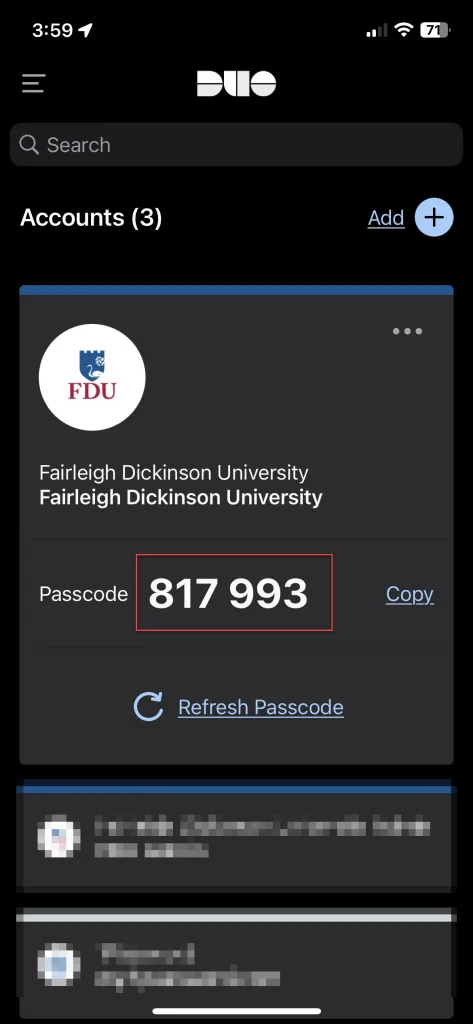
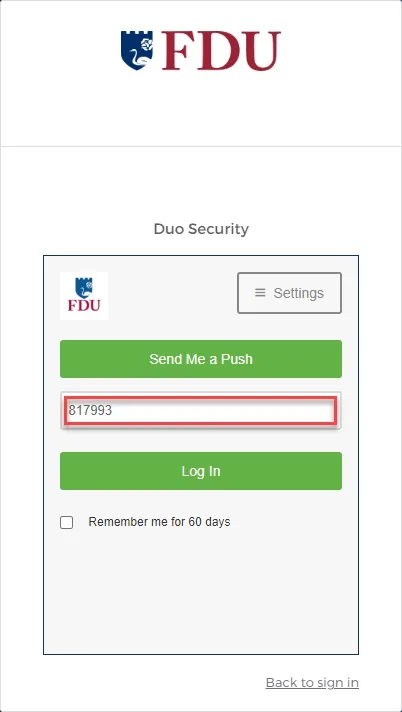
  1. Next, open the Duo app and click “Show”. This will provide a six-digit passcode which you can enter into the browser prompt
  1. Enter the six-digit passcode from the DUO app and click “Log in”
Last Modified:

Echo360

Resources for:
icon Close

Echo360 helps instructors capture and extend those moments to improve student engagement before, during and after class.

Through our technology platform, students have 24/7 access to classroom discussion, presentation materials, and the lecture itself.

Getting Started with “Echo 360 Universal Capture: Personal

Universal Capture: Personal is a stand-alone application designed to be used by instructors on their personal computers to generate video recordings. The software enables you to create video recording across multiple computing platforms via a unified interface. That means instructors can record and share video on Mac and Windows computers, inside or outside of the classroom, with an identical user experience on each device.

For those faculty members who do not yet have an Echo 360 account, it is necessary for you to login to Webcampus first. Therefore, please follow the directions below in order for you to have access to Echo360 environment. Once you have completed these steps via webcampus, thereafter users will be able to login directly to echo360.fdu.edu with their FDU NetID credentials.

Note

For those who already have an account in Echo360 please go to Step 13.

  1. Login to Webcampus using your FDU NetID
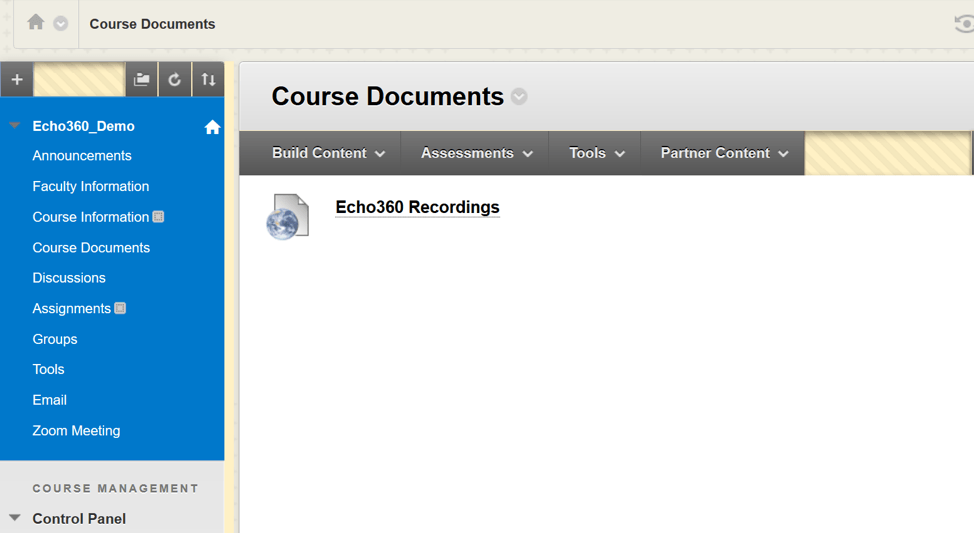
  2. Click on “Your Course
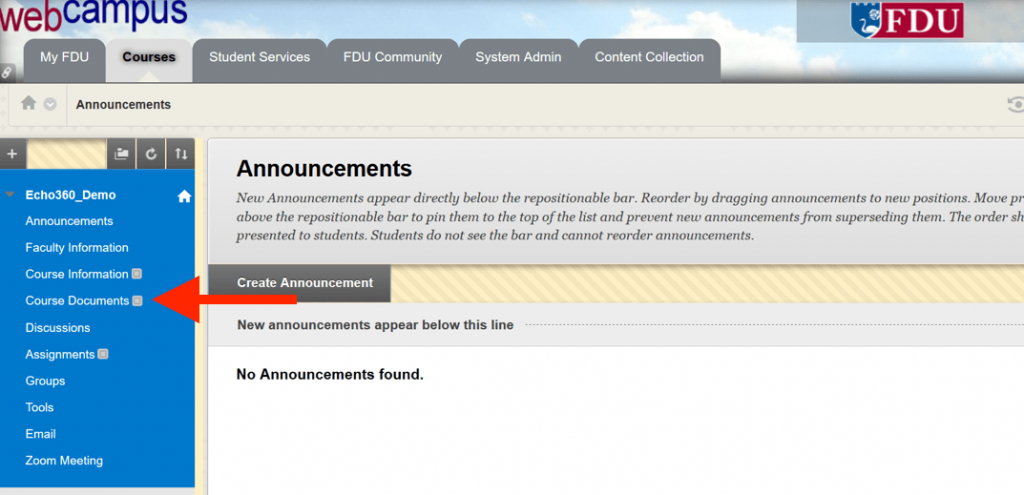
  3. Click on “Course Documents
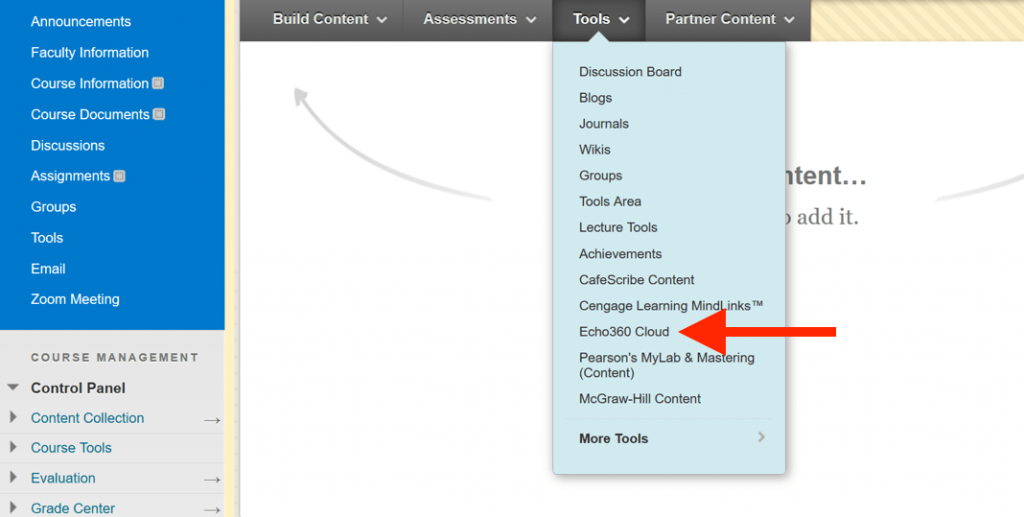
  1. Click on “Tools
  2. Click on “Echo360 Cloud
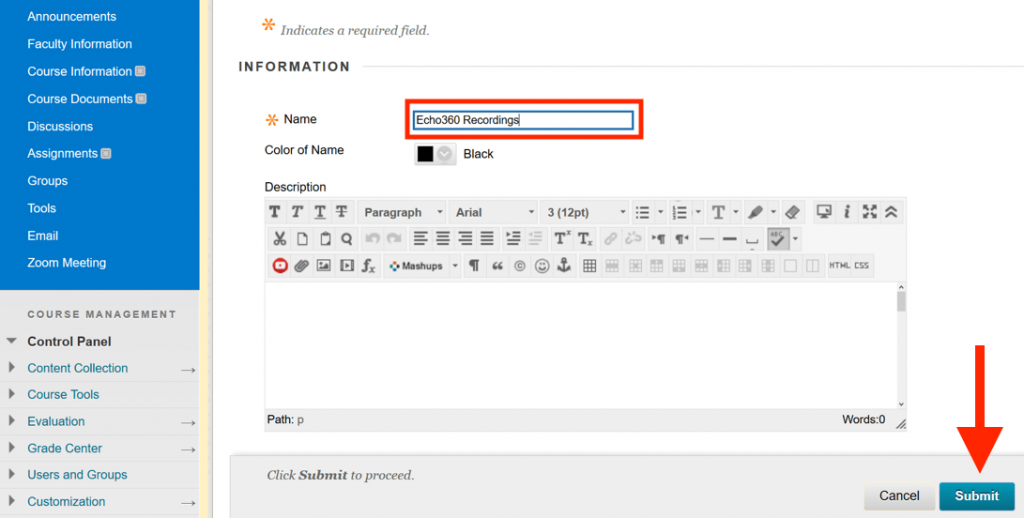
  1. In this page, enter a Name that makes it clear this is the link for Echo360 class content, for example: “Echo360 Recordings”
  2. Click “Submit
  1. A new link will appear on your Course Documents page titled “Echo360 Recordings“. This maybe at the bottom of the Course Documents page
  2. Click on the “Echo360 Recordings” link. This will redirect you to the Echo environment
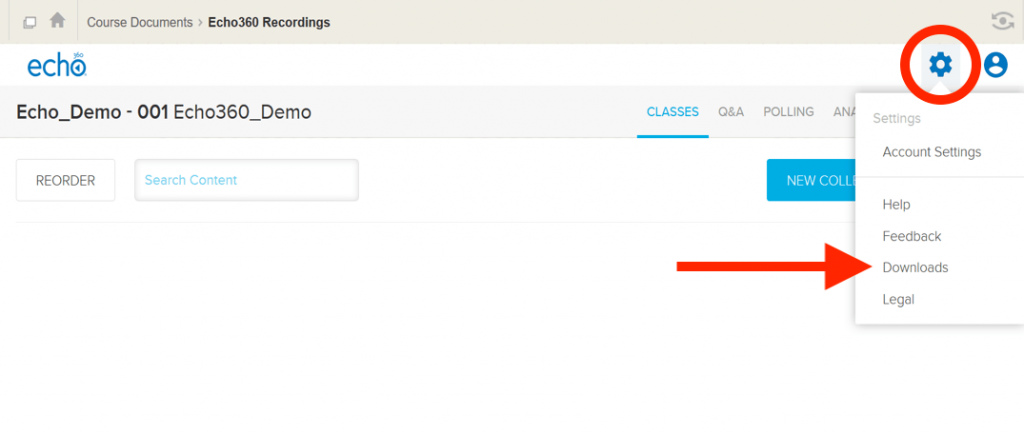
  1. Click on the “Gear Icon” on the top right
  2. Click on “Downloads
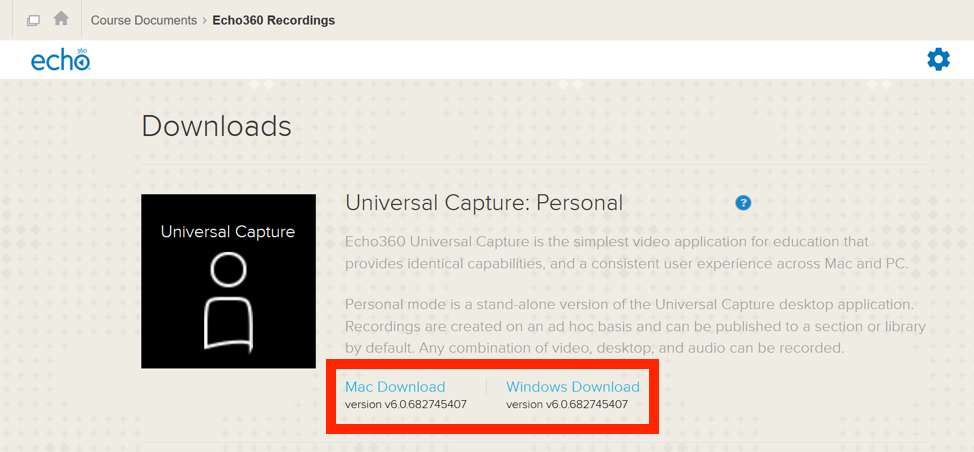
  1. From the Universal Capture: Personal area of the Downloads page, select the link to download the installer appropriate for the type of computer/operating system you are running. After you have downloaded the personal capture, follow the instructions on how to capture your lectures using this tool
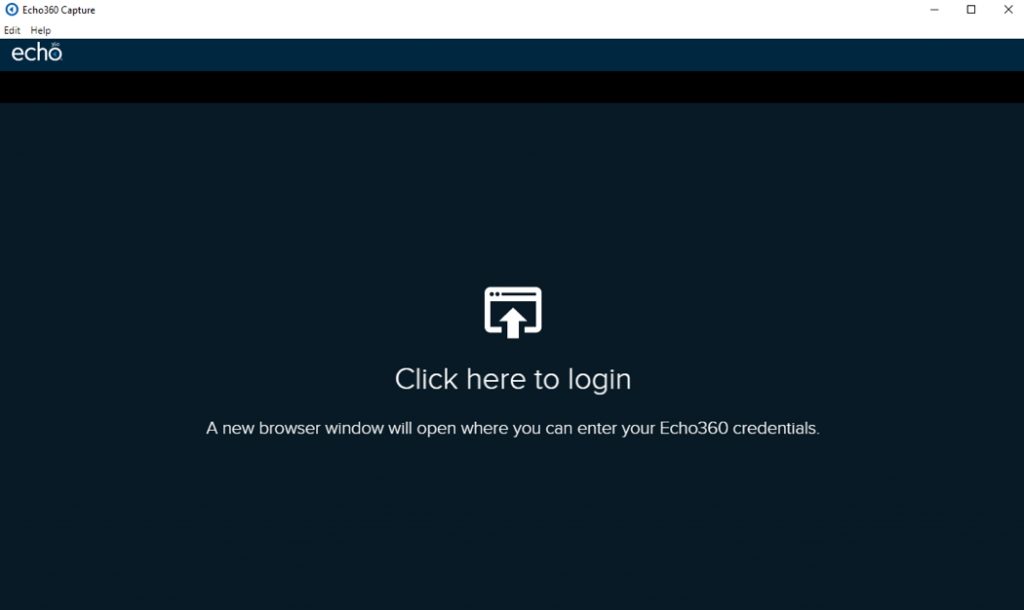
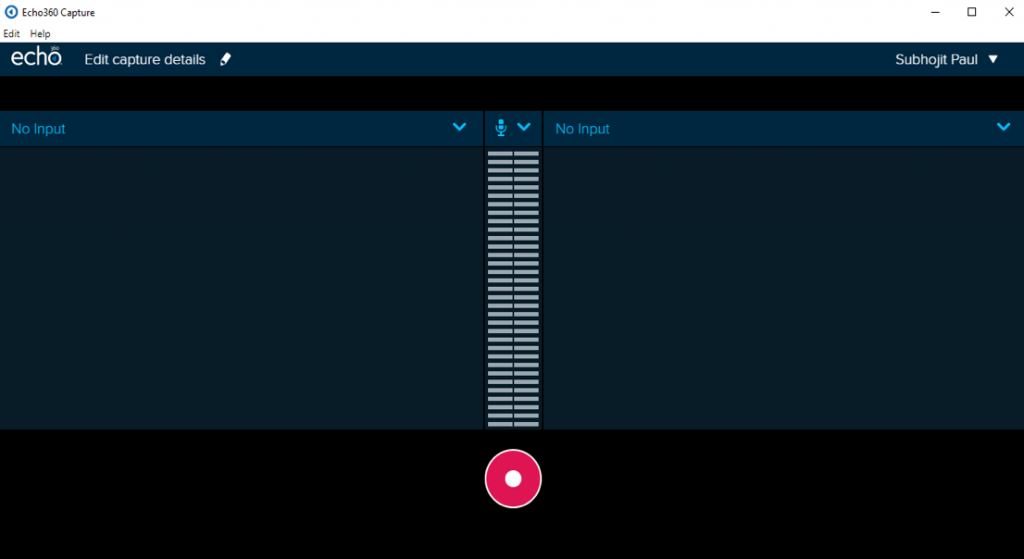
  1. Once you have installed the software, please launch the Universal Capture: Personal application. If you see the following login screen, click on the link and login with your FDU NetID credentials
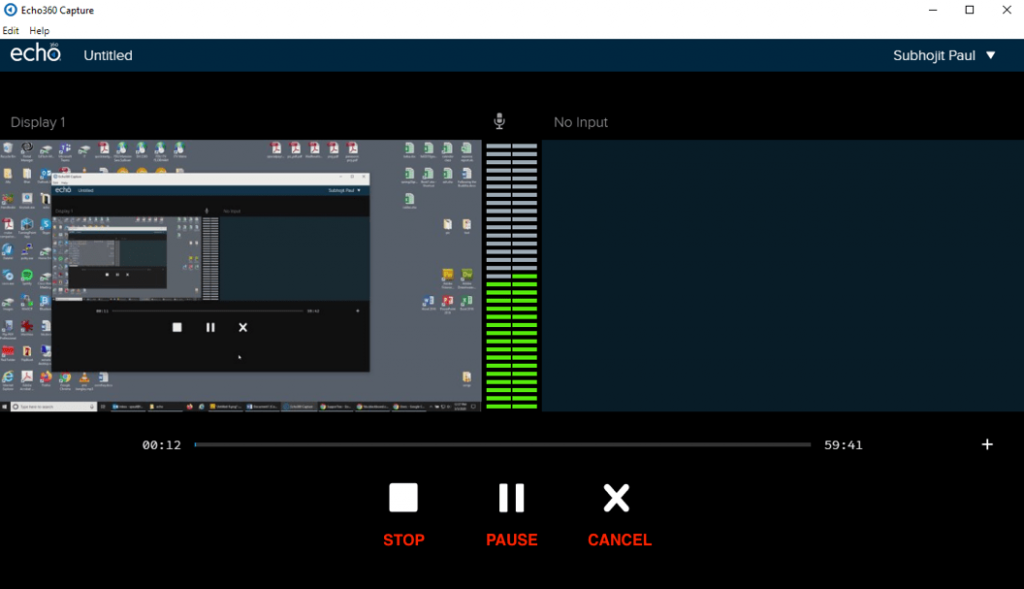
  1. After logging in select the inputs you want to capture from the two drop down menu. If the drop down menu says No Input just select the option you want from the available sources
    • Left Input: Click on the dropdown menu to select your input for the left video channel (e.g. display, webcam, etc.).
    • The bars in the middle shows the volume levels of the audio capture.
    • Right Input: Click on the dropdown menu to select your input for the right video channel (e.g. display, webcam, etc.).
    • The Display option from the drop down menu chooses the application that you want to record from your computer for example a PowerPoint presentation.
    • Preview the inputs on the screen; to be sure, they will record properly.
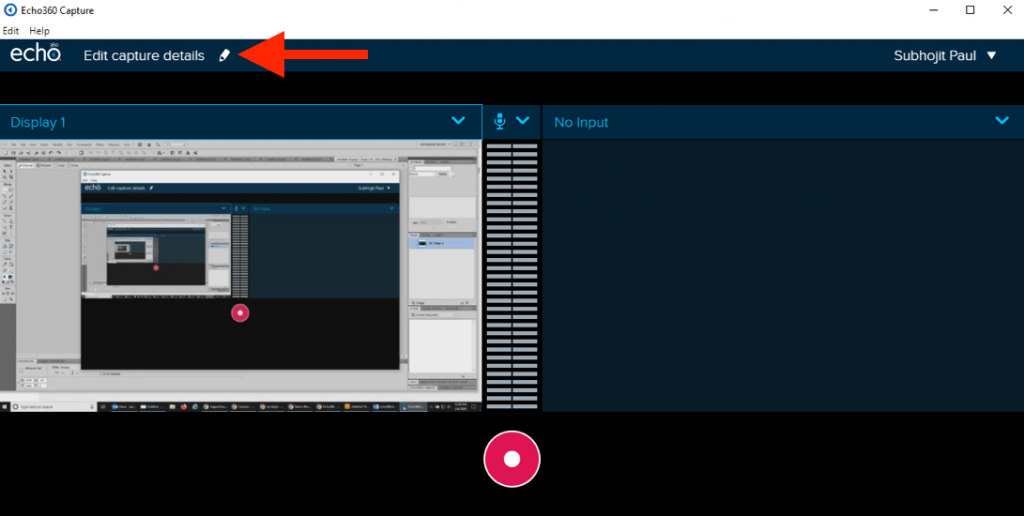
  1. Click the “Pencil Icon” or title to launch the Capture Details dialog box
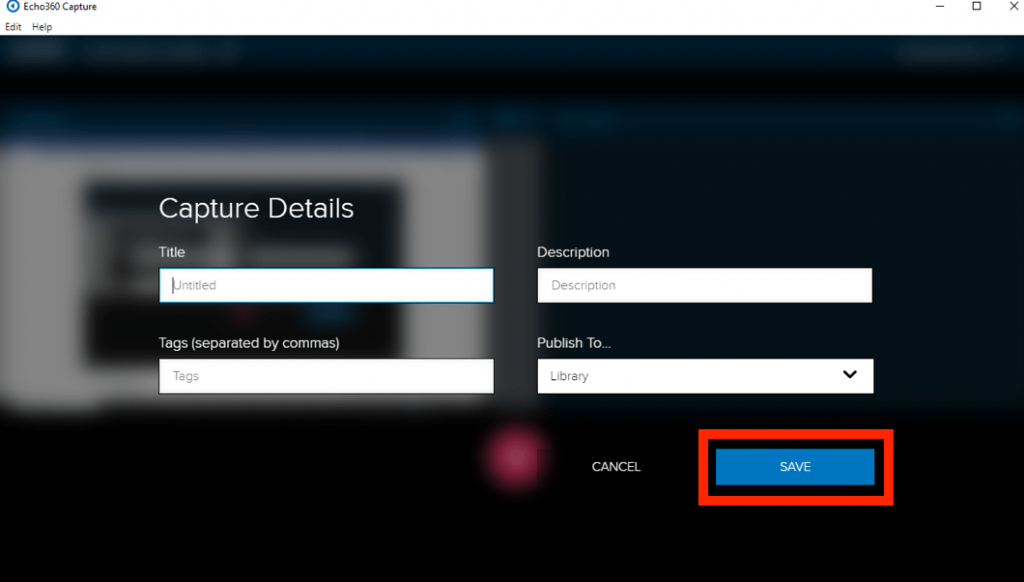
  1. Enter a Title, add a Description or Tags and select a Publishing location for the recording. By default, your recordings are published to your “Library” folder
  2. Click “Save
  1. At this point, if you are going to present any materials via PowerPoint, Web or any other applications open it and minimize it
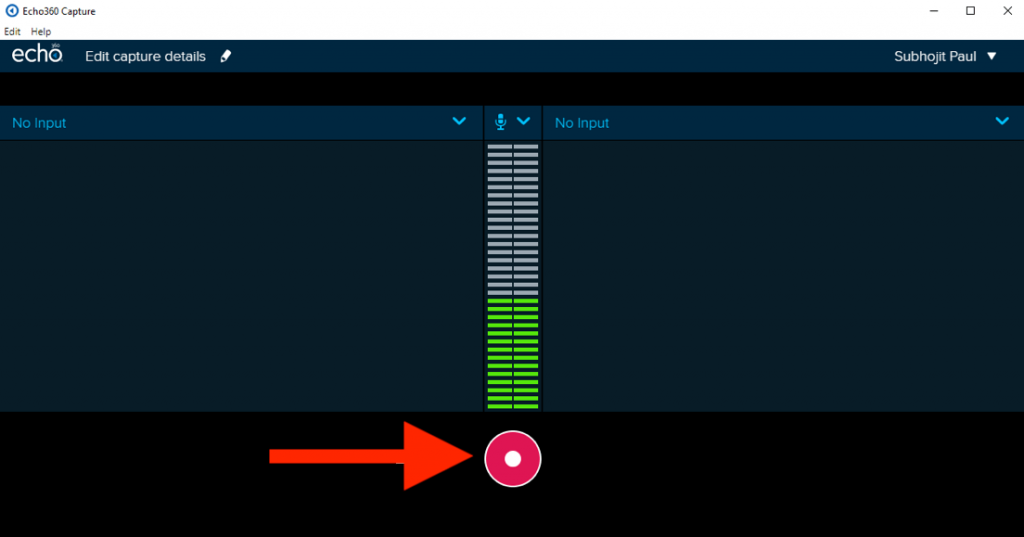
  2. When you are ready, click the “Record” button. You will have 5 seconds before recording starts so you can switch to the material you want to present
  1. During a recording, you will have the option to Stop, Pause, or Cancel recording. Do not stop recording until you are totally finished with the session. If you click on the cancel button, it will cancel the entire recording
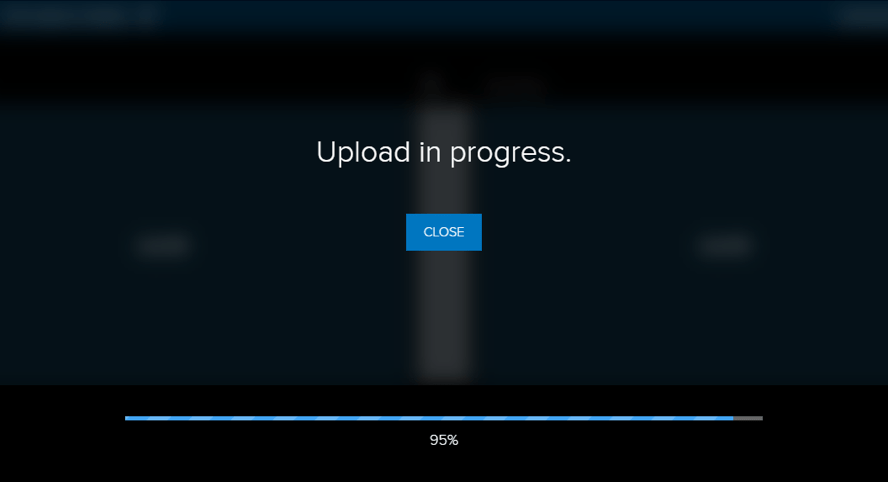
  • Once you stop the recording, you will receive a message and you can click on the “Close” option to exit the program. Once your recording process is finished, it will automatically publish to the location that you have specified. You will receive an email when processing is finished and you are able to view your recording

Viewing Recording

Once you receive the email, your video is online and ready to be viewed.

  1. Log back into echo360.fdu.edu
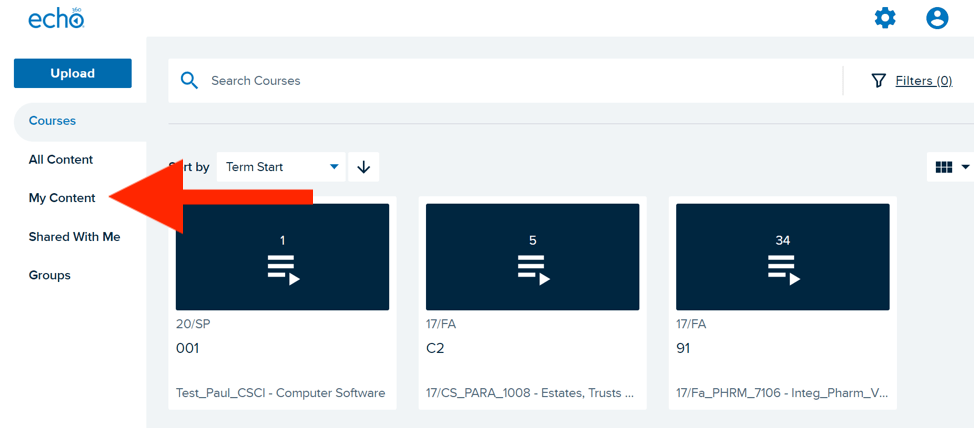
  2. Click on the “My Content” tab on the left side of the window.
  3. Click on the recording that you want to view
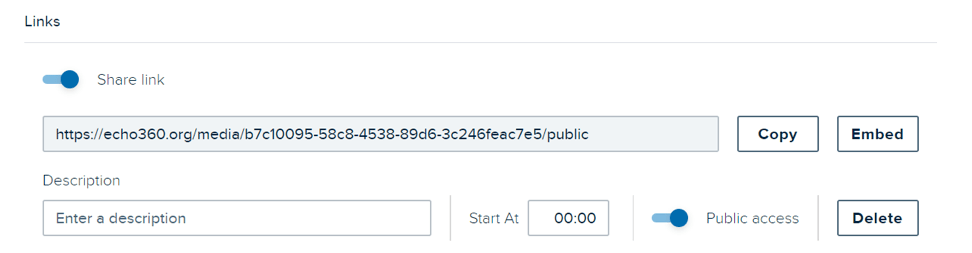
  1. If you want users to view your recording, scroll down towards the bottom of the screen to the “Links” section. Copy the link and you can send it to users via email
Last Modified:

Ellucian COLLEAGUE Password Information

Resources for:
icon Close

Accessing Ellucian COLLEAGUE

COLLEAGUE uses single sign-on protocol for users to login. The login or user ID consists of the first part of the FDU NetID up until the @ sign in the NetID.

For instance, if your NetID webmail address is john.q.public@fdu.edu your COLLEAGUE login ID would be “john.q.public

The password would be the exact same one that you use with your FDU NetID.

Last Modified:

Email and File Encryption

Resources for:
icon Close

Virtru email encryption is the preferred method to send and view encrypted emails and files with your FDU email address. Available for FDU Faculty and Staff upon request. Click the link below to request access to Virtru Email Encryption.

The Virtru Email Encryption Tutorial will help users navigate installation, basic use, different usage scenarios, and common technical questions.

Alternative Approved Methods for Encryption

If you are not approved for Virtru email encryption, the articles below are alternative, FDU OIRT and DSIRT approved methods for encrypting Microsoft Office and Adobe PDF files and comply with the University WISP.

Warning Warning
According to FDU’s Written Information Security Program (WISP), in no case should they be sending or storing WISP protected information without the explicit authorization of the Chief Information Security Officer (CISO). If approved, these instructions will provide you with guidance on the methodology.

For more information, visit the link at the bottom of the page.

Last Modified:

Encrypting Word, Excel & PDF Files with built-in Application Encryption

Resources for:
icon Close

Follow these easy to use instructions for encrypting Word, Excel, and Acrobat files using built-in features.

Encrypting Word & Excel Documents
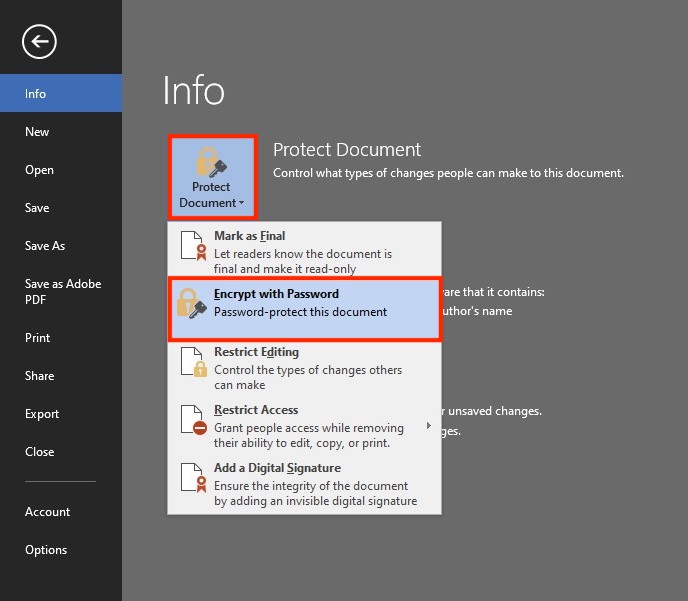
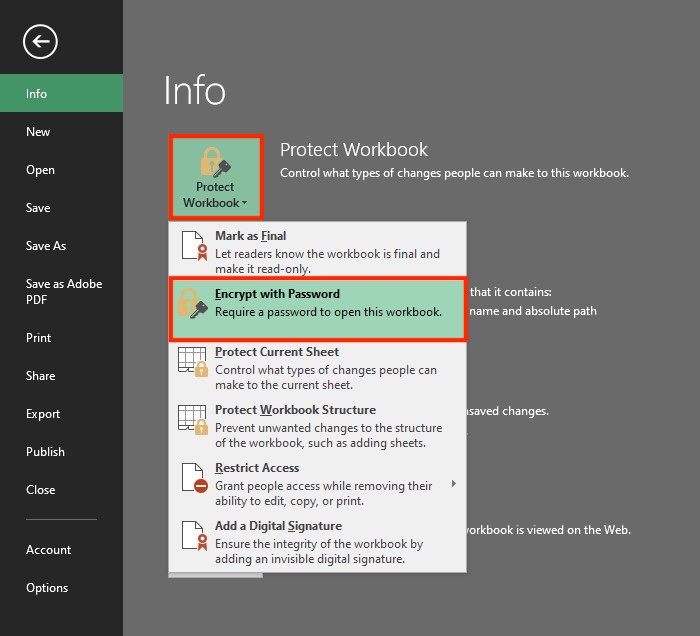
  1. For Word and/or Excel files, first click on File on the upper left-hand corner
  1. Under the Info tab, click on Protect Document for Word and Protect Workbook for Excel followed by Encrypt with Password
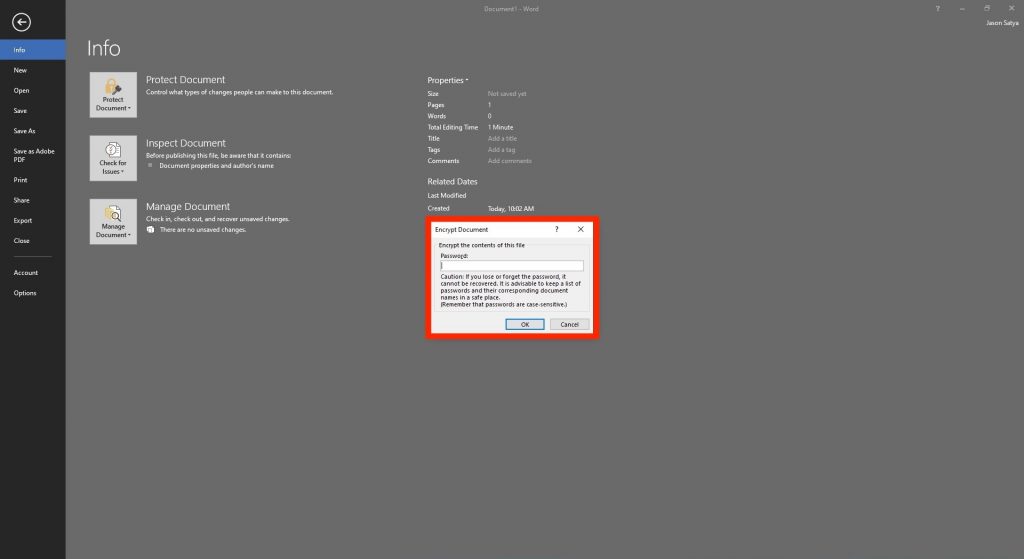
  1. Enter a password in the pop-up window. Re-enter the password in the next window to confirm
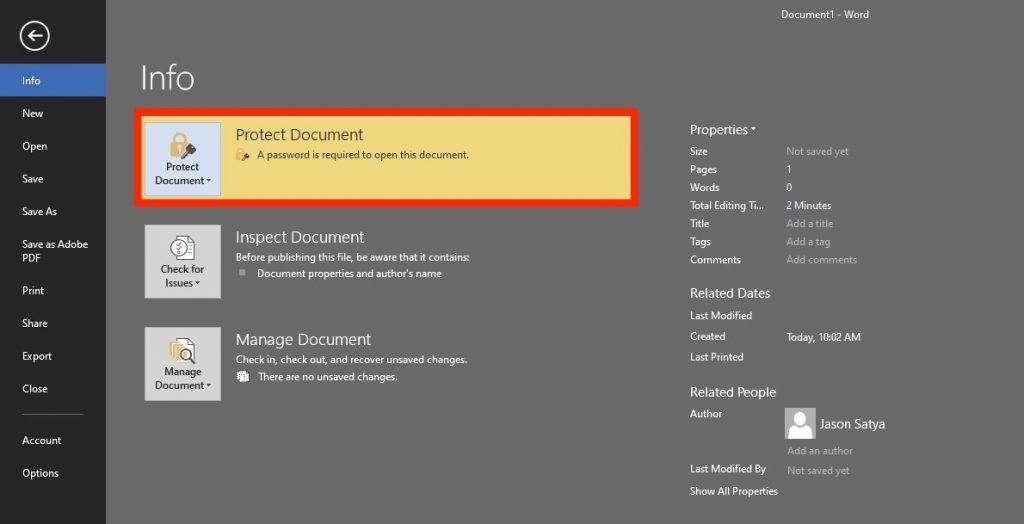
  1. The below message will confirm your document has been password-protected
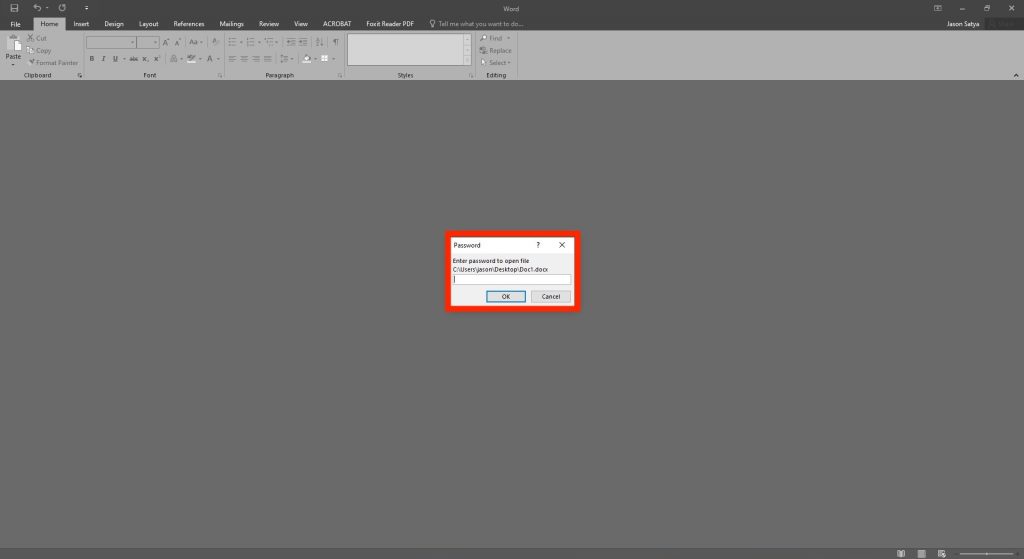
  1. To open a password-protected file, double-click on the file and enter the created password
close
Encrypting PDF Files

NOTE:

Adobe Acrobat Pro DC or Adobe Acrobat for macOS is needed to encrypt PDF files with a password. This feature is not available in the free version of Adobe Acrobat Reader DC.

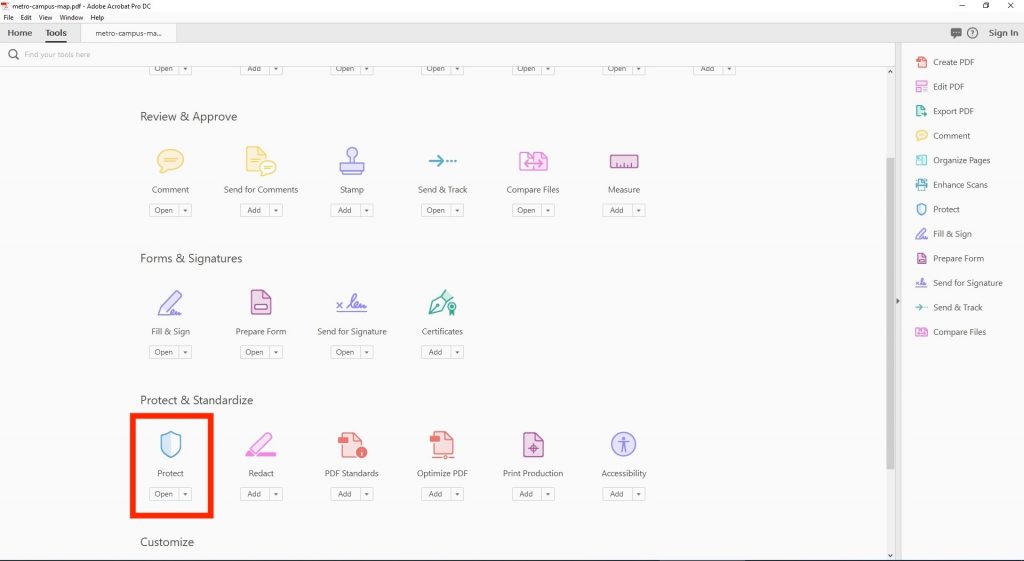
  1. Select Tools on the Navigation Tab and then select Protect
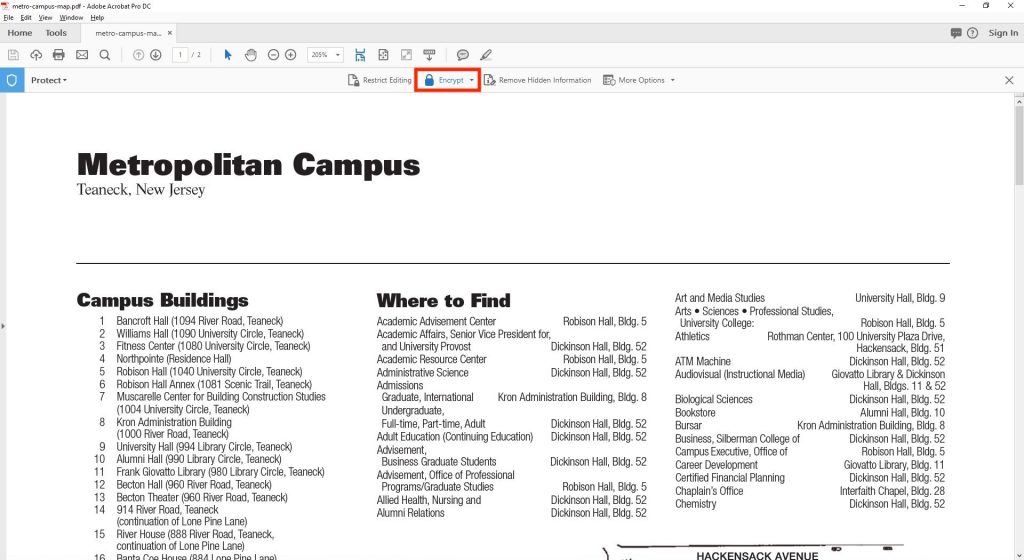
  1. On the Protect Tab select Encrypt
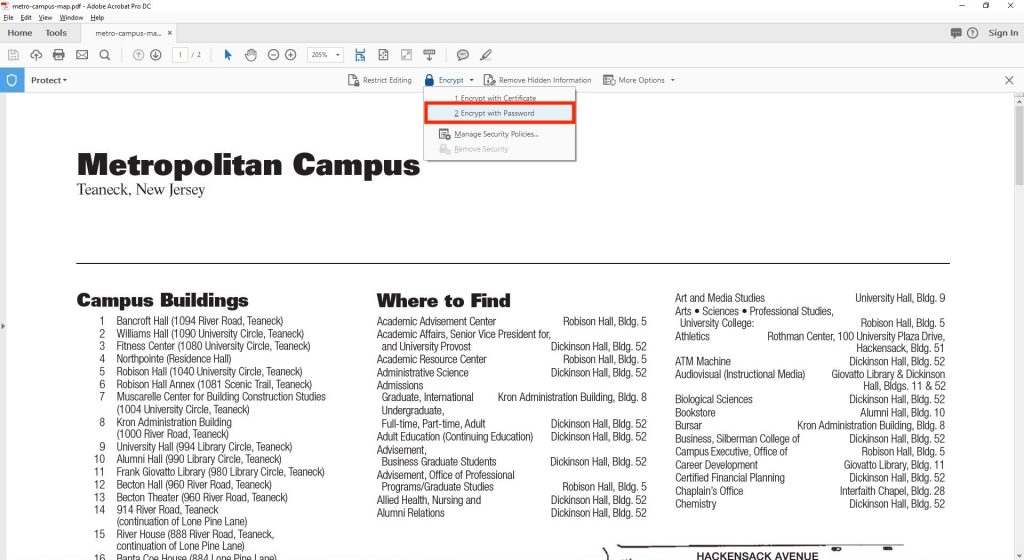
  1. Select Encrypt with Password. Then select Yes on the security pop-up window
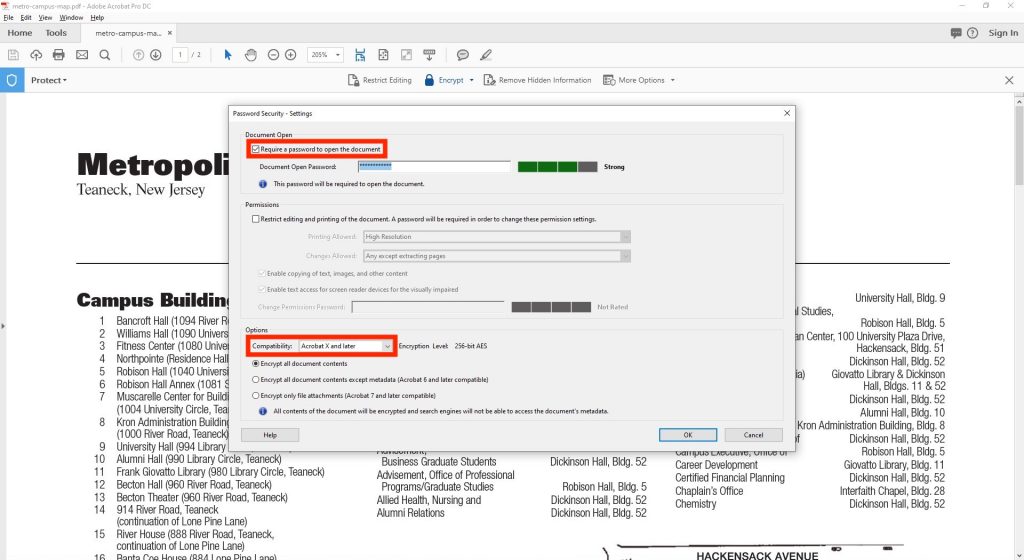
  1. Check Require a Password to Open the Document and then choose a strong password. Under compatibility, choose Acrobat X and later to change the encryption method to 256-bit.
  1. Confirm the password when requested. Please note that the document WILL NOT be fully encrypted until it is saved
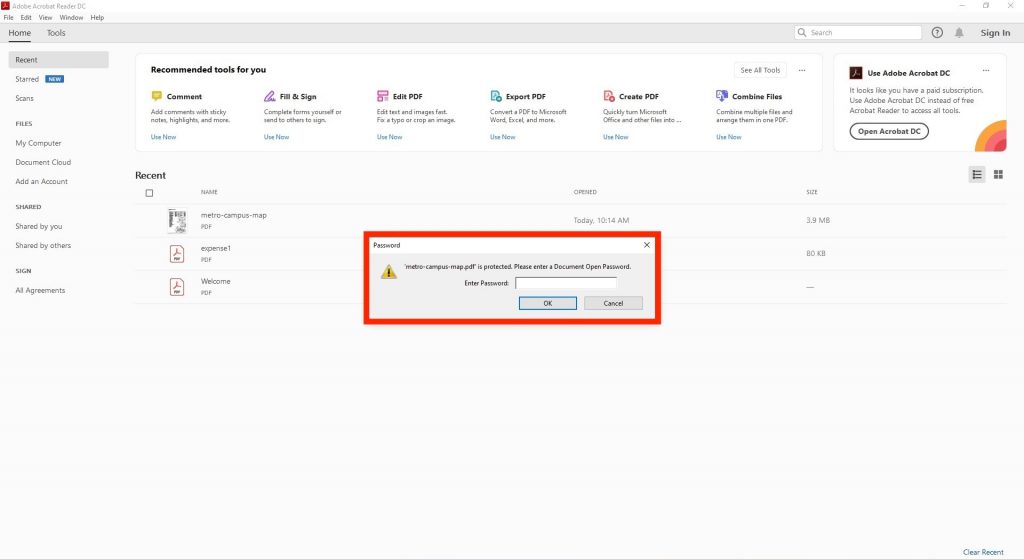
  1. To open the file, double-click the file and enter the created password.
close
Last Modified:

Enhancing Your Microsoft Teams Security

Resources for:
icon Close

To maintain a secure and productive Microsoft Teams experience at Fairleigh Dickinson University, it’s important to understand how to manage external communication requests, recognize brand impersonation attempts, and report suspicious content. This guide offers clear, step-by-step instructions to help you stay secure while using Teams.

Managing Incoming Requests from External Users

To ensure your Teams environment remains secure, review and manage requests from individuals outside of FDU before accepting any communication.

Steps to Manage External User Requests:

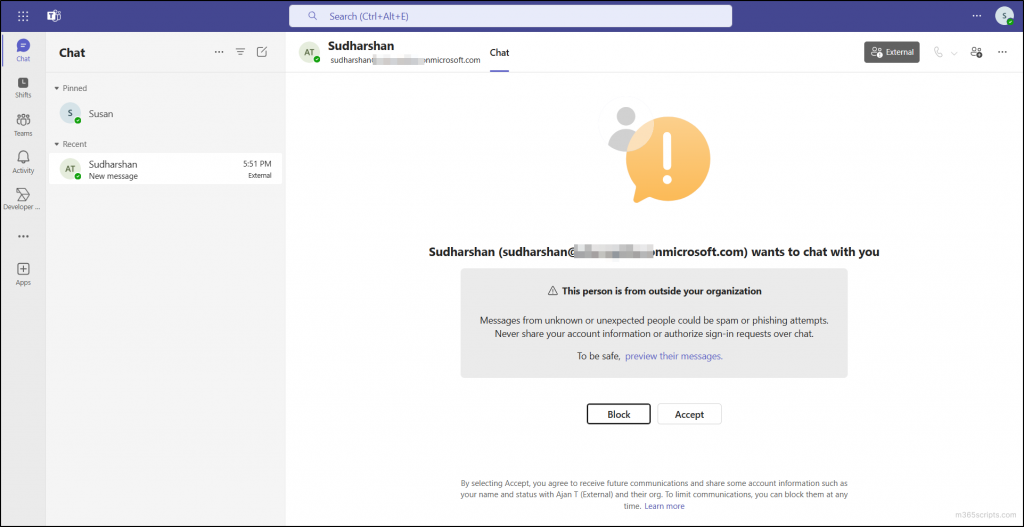
  1. Initial Notification: When someone outside FDU tries to initiate a chat, you will receive a notification indicating they are external to your organization
  1. Review the Request: Examine the name and any provided details. Be cautious of unfamiliar or suspicious names
  2. Choose an Action:
    • Click “Accept” if you recognize the individual and have a valid reason to communicate
    • Click “Block” if the person is unfamiliar or seems suspicious. Blocking prevents further contact

Protecting Against Brand Impersonation in Teams Chat

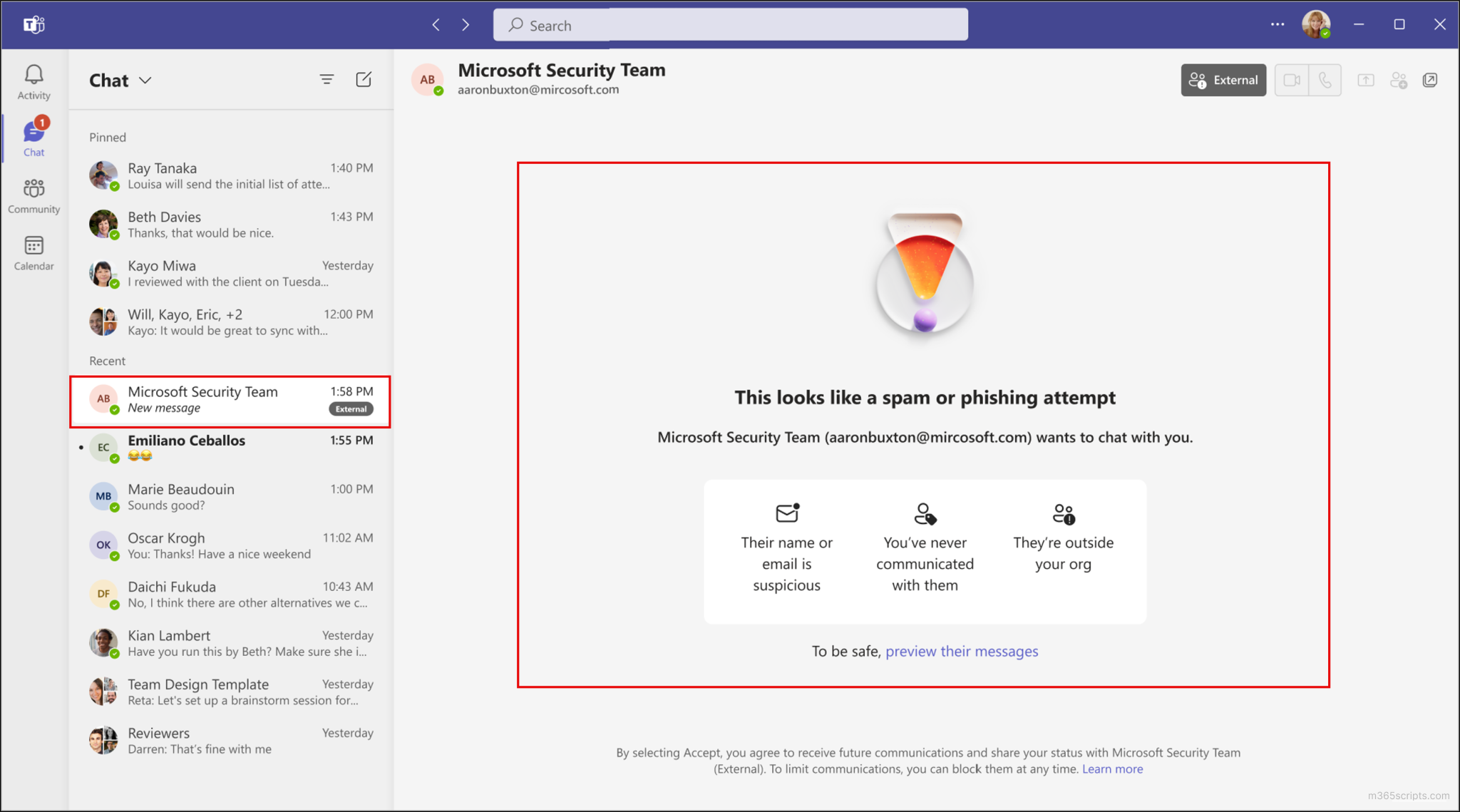
Microsoft Teams now detects potential brand impersonation attempts automatically. This feature alerts you if an external user’s message seems suspicious.

Steps to Protect Yourself:

  1. First Message Analysis: Teams evaluates the external user’s name and email for impersonation risks
  2. High-Risk Alert: If a potential threat is detected, Teams will display a prominent warning with one or more of the following:
    • The sender’s name or email resembles a known FDU entity
    • No previous communication history with the sender
    • The sender is outside your organization
  1. Review the Message Content: Click “Preview their messages” and read the message carefully. Watch for urgent requests or unusual links/attachments
  2. Second Warning (If Applicable): If you proceed to accept, Teams may display another warning about the associated risks
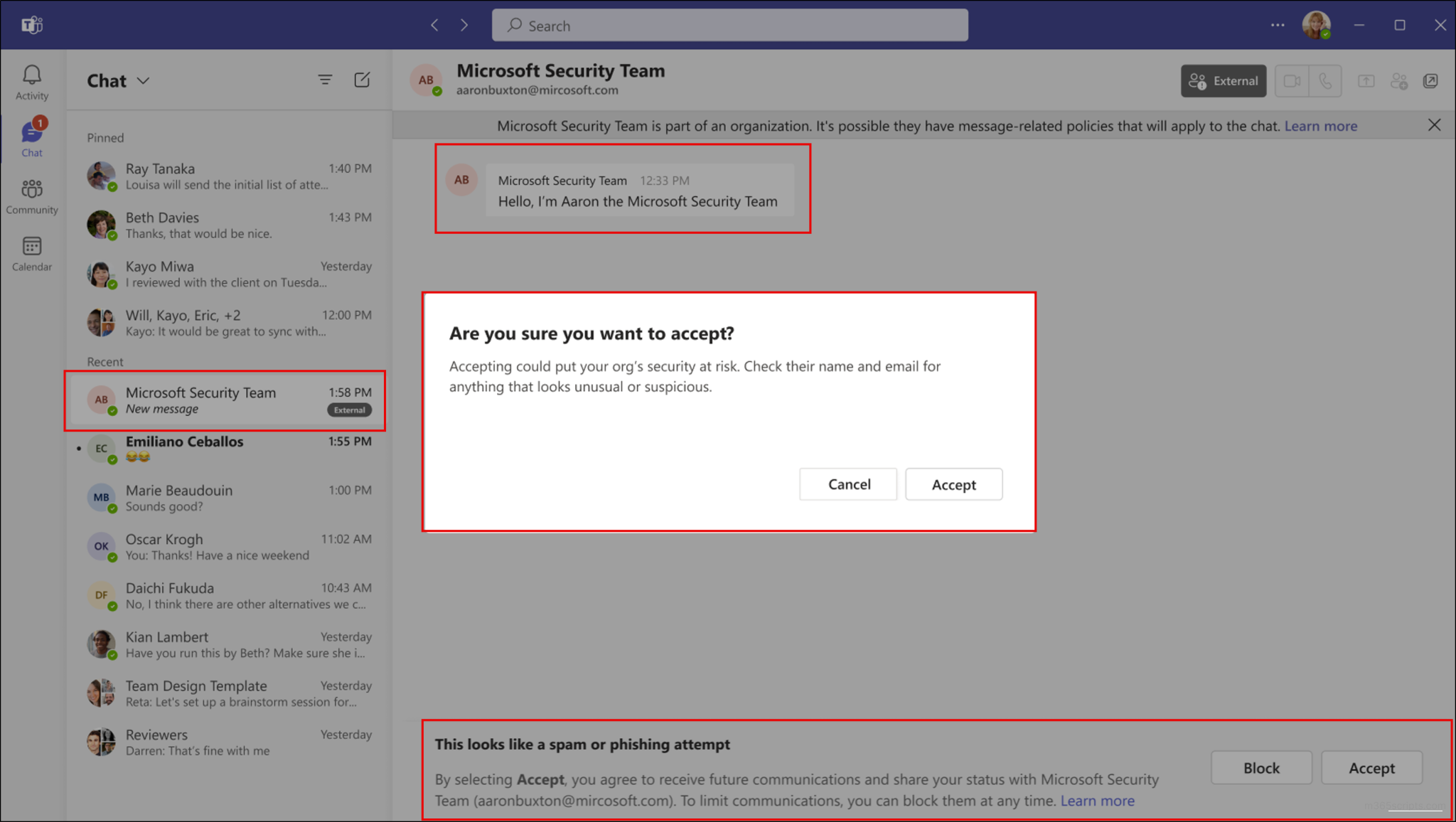
  1. Make Your Decision: Use the alerts and message content to decide whether to continue the conversation

Reporting Suspicious Content

Reporting suspicious messages, calls, or users within Teams helps FDU’s security team manage potential threats effectively.

Reporting Messages from Internal User:

  1. Hover Over the Message: Place your cursor over the suspicious message.
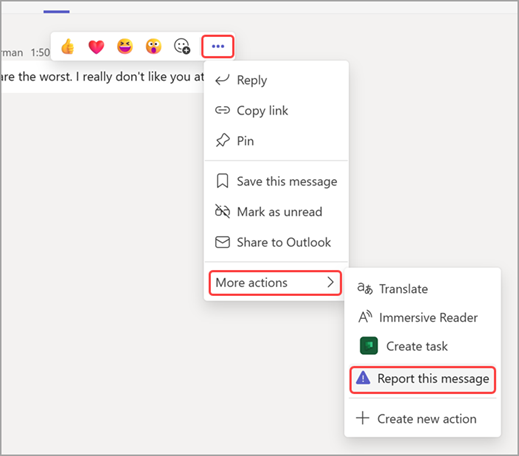
  2. Click the “More options” (…) icon > More actions > Report this message.
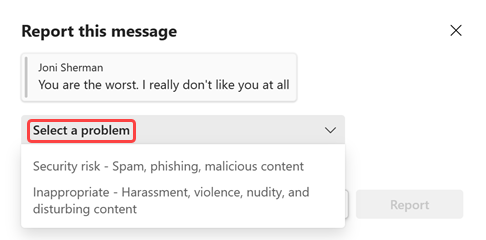
  1. In the dialog that opens, verify Security risk – Spam, phishing, malicious content is selected, then click “Report”
  1. In the confirmation dialog, click “Close”

Reporting Messages from External Sender:

If you receive a suspicious message from an external sender (e.g., @outlook.com, @live.com), the “Report this message” option in Teams will not be available.

To report a suspicious message from an external source, you must create a SAMI support ticket:

  1. Click “Get Support” button located at the bottom of this article
  2. Create a support ticket and include all relevant details about the suspicious message
Last Modified:

External Website / Hosted Service Subscriptions & Renewals

Resources for:
icon Close

In the past, website subscriptions and renewals were approved by University Systems and Security (USAS), as the department held the role of both Information Security and Networking. An email would be sent to the department, and approval would be gained via an email response.

With the separation of Information Security from University Systems and Networking (USAN), a new process has been created to better serve those within the FDU community that utilize external websites for services.

Moving forward, requests for website subscriptions and renewals should be requested through this form below:

If information is missing, a representative of the SAMI Service Desk might reply inquiring more about the request. When all information has been gathered, the ticket will be forwarded to our Information Security Officer. They will review the request, engage the Networking team if necessary, and then either approve or deny the request (via email response) or inquire further, before closing out the ticket.

We hope this new process will help identify, track, and move requests quickly through the process.

Last Modified:

FDU Alert Policy

Resources for:
icon Close

Revised: May 1, 2025
Last Revised: February 1, 2024
Prior Revision: February 1, 2024

1. POLICY STATEMENT

FDU has implemented the FDU Alert system to expand and enhance its emergency notification methods. In the event of an emergency, FDU Alert may be used to provide pertinent information and instructions to FDU students, faculty and staff through voice, text messaging and/or E-mail. FDU Alert uses a mass notification system that sends emergency messages instantly and simultaneously to registered mobile phones, wireless devices and E-mail addresses.

Reason For Policy

This policy establishes the proper use and testing of the FDU Alert Emergency Notification System (FDU Alert).

Who Should Read This Policy

Members of the University Community including Students, Faculty, Staff, as well as all other individuals who have been registered to receive FDU Alert emergency notifications.

Website Address For This Policy

The website for this policy as well as other related FDU Alert information can be found at the following URL or by clicking on Web Shortcuts on the top right of the FDU Homepage.

Alert System

2. DEFINITIONS

These definitions apply to these terms as they are used in this policy.

EmergencyA sudden unforeseen crisis, usually involving danger, which requires immediate action.
FDU Alert SystemThe University’s emergency notification system is designed to alert, warn and inform registered members of the University Community of what to do in case of an emergency, a disaster, a crisis or any other situation that affects the FDU community. For example, receiving these alerts and messages could keep you from driving to campus only to find that a power failure has closed the campus.
FDU Alert AuthorizerIndividual who has the authority to assess an emergency and activate the FDU Alert Emergency Notification System; this individual is authorized to contact an authorized Sender.
FDU Alert SenderIndividual who has been trained and is authorized to facilitate the actual sending of an Emergency Notification message.
CrisisAn unstable event or situation of extreme danger or difficulty, which is often sudden or unexpected, that disrupts the normal operations of the institution or its educational mission and threatens the well-being of personnel, property, financial resources and/or the reputation of the institution.
Timely WarningRefers to the need to provide timely notification to the University Community after it is determined there is a credible threat to campus persons or property or when information is considered vital to the University community.
SMSRefers to the Text Messaging method of FDU Alert delivery.
FDU Alert SpokespersonAn individual may be identified to respond to, and act as University spokesperson, to inquiries by students, faculty, staff, parents and others about an FDU Alert. Inquiries may be forwarded to the FDU Alert Spokesperson via the special call forwarding alert hotline.

3. OVERVIEW

Any time that an emergency situation arises, either on campus or in the immediate area of the campus, that in the judgment of an FDU Alert Authorizer poses an ongoing or continuing threat to the campus community, a campus “Timely Warning” will be issued. This warning may be issued through the FDU Alert system by one, all, or a combination of the following delivery methods.
  • Voice mail or telephone notification
  • E-mail
  • Posted on the University website
  • Posted notices
  • Public address announcements
  • Direct contact with individuals

Whenever possible, the FDU Alert Authorizer will consult with the University Director or Associate Director of Public Safety or another Authorizer prior to using FDU Alert messaging capabilities.

In an emergency, and upon activation by Authorizers and Senders, FDU Alert will send notifications to registered individuals at one, some, or all of the following registered points of delivery.

  • Work Phone
  • FDU E-mail
  • Cell Phone
  • SMS (Text Message)
  • Alternate E-mail
  • Home Phone
  • Parent/Significant Other E-mail
  • Parent/Significant Other Phone
  • Parent/Significant Other SMS (Text Message)
  • Parent/Significant Other Cell Phone

To provide the safest possible environment for students, faculty, staff, and visitors to FDU campuses, the University will strive to provide timely, reliable notifications by all possible means in the event of emergency. Generally, an emergency is any incident that involves the possibility of death, serious injury, or the threat of death or serious injury to people, or to University facilities, materials or property.

Fairleigh Dickinson University uses a variety of methods to provide emergency and safety information, including mass notification systems, web pages, door-to-door assistance from on-site staff and Residence Hall assistants, over-the-air broadcasts, and a consolidated communications system. Collectively, these capabilities are called “FDU-Alert“.*

The communication system permits broadcast messages to be sent quickly as voice calls to office, local home, or cell phones, and as text messages to cell phones or University and external E-mail accounts. This system will be used to announce and provide guidance in an emergency or crisis and to communicate relevant critical updates.

If an emergency occurs near but not on an FDU campus, and in other situations in which emergency responders determine and report that no apparent or imminent threat to that campus exists, an advisory may be posted on informational web sites, E-mails, or text messages only. In these cases, you may not receive an emergency notification directly to your phone.

University administration or individual campuses may, as an authorizer deems appropriate, use the communications system for other urgent messages related to administration or operation, such as campus closings due to adverse weather, unusual situations, or utility outages.


*More information about these services, as well as current emergency status or preparedness information for FDU, is planned for availability on the University’s emergency preparedness website once established.

4. POLICY

Proper Use of FDU Alert

FDU Alert is offered not to replace but to augment existing emergency notification methods, which include: University-wide broadcast E-mails, online updates via web and coordinated use of public media outlets, fire alarms, public address systems, and signs.

Any time that a serious situation arises either on campus or in the immediate area of the campus that in the judgment of the University Director or Associate Director of Public Safety, and whenever possible, in consultation with other members of the UEMT as applicable, poses an ongoing or continuing threat to the campus community, a campus “Timely Warning” will be issued. This warning may be issued through the FDU Alert system, voice mail or telephone notification, E-mail, posted on the University website, posted notices, public address announcements, and direct contact with individuals.
If, in the opinion of the local law enforcement authority, a message would hinder the police response or investigation and the local law enforcement authority has requested that we not send out a message, no message may be sent without the specific authorization of the President, or FDU legal counsel.

Limited Use of FDU Alert

Although the use of other emergency notification method(s) will be determined on a case-by-case basis, FDU Alert should only be used in the following situations:

  1. an imminent threat of physical danger to the campus community;
  2. a campus closure; and
  3. certain Campus Crime Alerts as determined by Public Safety;
  4. off-campus events that could impact health, safety, life or access to a campus.

The above situations can include but are not limited to ongoing criminal incidents, fires, chemical leaks, pandemics, campus-wide utility failures (such as gas, electrical, or water), and extreme weather conditions that result in a campus closure (e.g. snow/ice storms) or pose an imminent threat of physical danger to the campus community (e.g. tornado within close proximity to campus).

FDU Alert Authorizers

Only the people in the following positions have the authority to activate the FDU Alert emergency message system and author an appropriate message:

  • President of the University
  • University Provost & Senior Vice President for Academic Affairs
  • Senior Vice President for Finance & Administration
  • Campus Executives
  • Deputy Campus Executive, Metropolitan Campus
  • Associate Vice President for Communications
  • Executive Director of Communications and News
  • Director of Public Safety, Florham Campus
  • Assistant Director, Public Safety, Florham Campus
  • Director of Public Safety, Metropolitan Campus
  • Campus Investigator, Public Safety, Metropolitan Campus
  • Campus Executive, Vancouver Campus
  • Business Manager, Vancouver Campus

FDU Alert Authorizers (“Authorizers”) have the authority to activate the system without consulting other Authorizers; however, when circumstances permit, an Authorizer should consult with at least one other Authorizer before sending a message.

FDU Alert Authorizer Responsibilities

Responsibility of Creating FDU Alert Messages

Authorizers have the responsibility to write and disseminate the appropriate message to be sent by Sender. For consistency, simplicity, and to minimize confusion, whenever possible, the Authorizer should base the message on one of the sample alert messages included in the Standard Operating Procedures manual.

This responsibility carries forward to writing and disseminating subsequent messages that must be sent to keep the recipients apprised of the status of the emergency event through to the conclusion of the emergency event with the transmission of an “All Clear-Resume Normal Schedule” message.

In the event more than thirty (30) minutes has passed while an emergency event is in progress, and there is no new information to communicate, the Authorizer should write a message(s) stating that the status of the emergency event remains the same, e.g., “Investigation continues, will communicate updates as new information becomes available.”

Messages should be written to support text to speech. Minimum or preferably no use of abbreviations and acronyms should be used. All messages must include an appropriate lead-in, for example, “!!FDU Florham Emergency Alert!!,” which includes where appropriate, the campus affected. Examples of these lead-in statements are included with the sample messages in the FDU Alert Confidential Operations Manual.

Responsibility of Authorizer to Prepare Additional Information

Alert Notifications and Updates Published via the FDU Website

Detailed messages and updates regarding the FDU Alert can also be made available on the University Website. Should it be necessary or appropriate to post additional information on the FDU website, it is the responsibility of the Authorizer to work with the Vice President for Communications or designee, to prepare and post the information on the University website in a timely manner. As this information will have wide and general exposure, it is critical to ensure that the information is current, correct, adequate, and consistent with the University messaging strategy.

It is the responsibility of the Authorizer, or designee as assigned by the Authorizer and the Vice President for Communications or designee, to keep vigil over the messaging to ensure accuracy and timeliness and message removal upon event termination.

FDU Alert Spokesperson to Other Inquiries

FDU Alerts will stimulate telephone inquiries to the switchboard, Residence Life, Public Safety, Enrollment Services & other key offices. Callers should be directed to the University mailbox for announcements and updates. In the unusual event where it is determined to be necessary to have a Spokesperson available for call handling, callers will be directed to a special hotline with ultra-call forwarding setup to transfer to the FDU Alert Spokesperson.

The FDU Alert Spokesperson is an individual identified by the FDU emergency response teams to respond to inquiries by students, faculty, staff, parents, and others about an FDU Alert. Inquiries will be forwarded via the special call forwarding alert hotline.

The following are attributes for The FDU Alert Spokesperson:

  • Must provide contact information (and back up) to the switchboard and emergency management teams
  • Must be available to take calls continuously throughout the emergency*
  • Must be aware of the event and current activities and commentable actions
  • Must be media aware
  • Must have the power to speak to the event with autonomy and authority

*A special phone number with Remote Call Forwarding will be utilized for this purpose.

Emergency Event Status Reports on the FDU Website

The FDU Website Homepage provides an FDU Alert Icon under Web Shortcuts that links to a dedicated webpage containing information on the current status of the University’s operations. As referenced above in Section 4.3.1.3, in the event there is an emergency, the Authorizer will work with the Vice President for Communications or designee to prepare and post a message providing current information concerning the emergency event and the status of the University’s operations, which will be posted on the website.

FDU Alert Senders

FDU Alert Senders (“Senders”), upon the request of Authorizer(s), have the authority to activate the system, enter messages under the direction of the FDU Alert Authorizer(s), and initiate the send message process. All FDU Alert Senders are provided with appropriate access to the secured FDU Alert emergency notification system and necessary training.

Sender names and contact information are included in the FDU Alert Operations Manual.

FDU Alert Senders Responsibilities

Senders are required to respond to Authorizer requests to facilitate the timely activation of the FDU Alert System. Senders acknowledge that time may be of the essence and will fulfill the request or immediately notify another Sender to fulfill the request. The transfer of such transfer of control requires Authorizer and/or emergency response team acknowledgment.

FDU Alert Senders will advise the FDU Alert Authorizer(s) when the message send process has been initiated and the sender can confirm delivery of such messaging.

Message Content

Any message sent using FDU Alert should be as brief as possible and should, if appropriate, typically contain the following information:

  • The reason for the message;
  • Any response required;
  • Location (campus) of event;
  • The duration of the emergency and any relevant dates and times;
  • Methods to obtain further information; and

When circumstances permit, before sending a message, Authorized Senders should consult with the relevant University administrator(s) regarding message content.

While brevity and abbreviations will reduce a message size, care must be taken to ensure that all messages are brief, concise, accurate, and understandable. Sample messages are included in the FDU Alert Confidential Operations Manual.

After Message Review

After a message is sent using FDU ALERT, the Authorized Senders and the University Emergency Management Team will meet as appropriate to discuss the emergency, the results of the alert, and compliance with the FDU Alert Policy.

FDU Alert System Testing

System Wide Delivery Testing

Once every Fall and Spring semester, a live test of the FDU Alert system will be conducted. During the test, one or more messages will be transmitted to every individual registered in the system using every delivery method for each point of contact (phone, e-mail, SMS, etc.) The FDU Alert message(s) sent during the test will clearly state “THIS IS A TEST,” so that it is clear that there is no actual emergency.

FDU Alert Senders

At least once per calendar month, FDU Alert senders will test the FDU Alert system by sending themselves a test message. The message sent during this test will clearly state “THIS IS A TEST BY AUTHORIZED SENDER,” so that it is clear that there is no actual emergency

Service Provisioning

Regular Reminders to University Community to Register/Update FDU Alert Individual Database Record

The effectiveness of any alert system depends upon the accuracy of the contact information in its database. All students, faculty, and staff will therefore receive notices/reminders prior to the semester’s scheduled test to review/update their emergency contact information. Emergency contact information can be modified at any time by logging onto Self-Service.

5. EMERGENCY LEVELS AND INSTITUTIONAL MESSAGING GOVERNANCE

The following are three levels of emergencies and suggested methods of communications and notifications for each. No other use of this FDU Alert System is permitted.

Level 1 Emergency – Informational

Circumstance:

  • incident has occurred
  • incident is contained and/or well defined
  • continuing activity/investigation
  • caution conditions exists
  • timely follow up communications required

Examples include:

  • natural disaster
  • aircraft crash, or similar event, near campus
  • major structural collapse
  • snow closings
  • elevator accident
  • must know information – (e.g. “Because of bad weather the University will close at…” and “An electrical cable to the SUB has been damaged and electrical power will not be restored until…”)

The “Authorizer” should use the following formats: E-mail/WWW/Text Messaging/Posted Notices/Public Address Announcements. Based on the event and any unusual circumstances, voice messaging may be used at the “Authorizer’s” discretion…

Level 2 Emergency – Life and Safety Alert

Circumstance:

  • incident has occurred and/or is continuing
  • incident is contained but may be extensive
  • cautions exist
  • continuing/on-going activity/investigation
  • timely follow up communications required

Examples include:

  • bomb threat
  • contained/small scale explosion/fire
  • act of violence on campus
  • fire confined to an area
  • contained/small hazardous material spill or release
  • buildings without electricity, heat or water
  • major building flooding

The “Authorizer” should use the following formats: E-mail/WWW/Text Messaging/Posted Notices/Public Address Announcements/Direct Contact with Individuals as necessary.

Level 3 Emergency – Imminent Life or Safety Alert – Immediate Action Required

Circumstance:

  • incident has occurred and/or is continuing
  • scope of incident may be undefined
  • alert action required
  • cautions exist
  • continuing/On-going activity/investigation
  • time is of the essence follow up communications

Examples include:

  • evacuations
  • on-going violent campus demonstrations
  • intruder alerts
  • radiological incident
  • contained or uncontained hazmat/hazardous material spill or release
  • large explosion/fire
  • aircraft crash, or similar event, on campus
  • acts of terrorism
  • confirmed explosives devices

The “Authorizer” should use all available formats: Voice Message/Voice Mail/E-mail/WWW/Text Messaging/Posted Notices/Public Address Announcements/Direct Contact with Individuals as necessary

No other use of this FDU Alert System is permitted.

6. FDU ALERT EMERGENCY NOTIFICATION SYSTEM:  CONFIDENTIAL OPERATIONS MANUAL

The Confidential Operations Manual is provided to all members of the University Emergency Management Team. The following information will be included in the Confidential Operations Manual.

  • Notification Process
  • FDU Alert Authorizer Contact List
  • FDU Alert Sender Contact List
  • Recipient Groups
  • FDU Alert Activation Options Screen
  • Sample Messages

Neal Sturm
Vice President and CIO
sturm@fdu.edu

Gail Lemaire
Office of Risk Management
gail_lemaire@fdu.edu


Last Modified: